About Varanasi
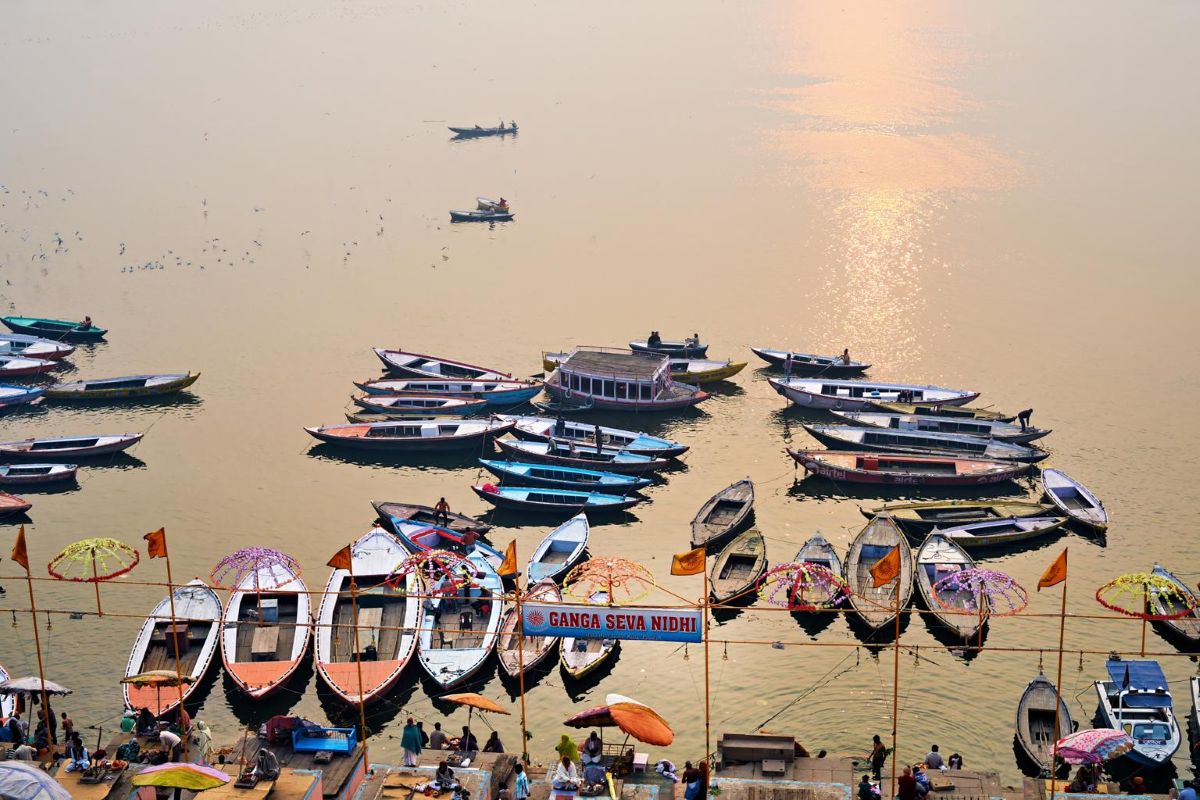
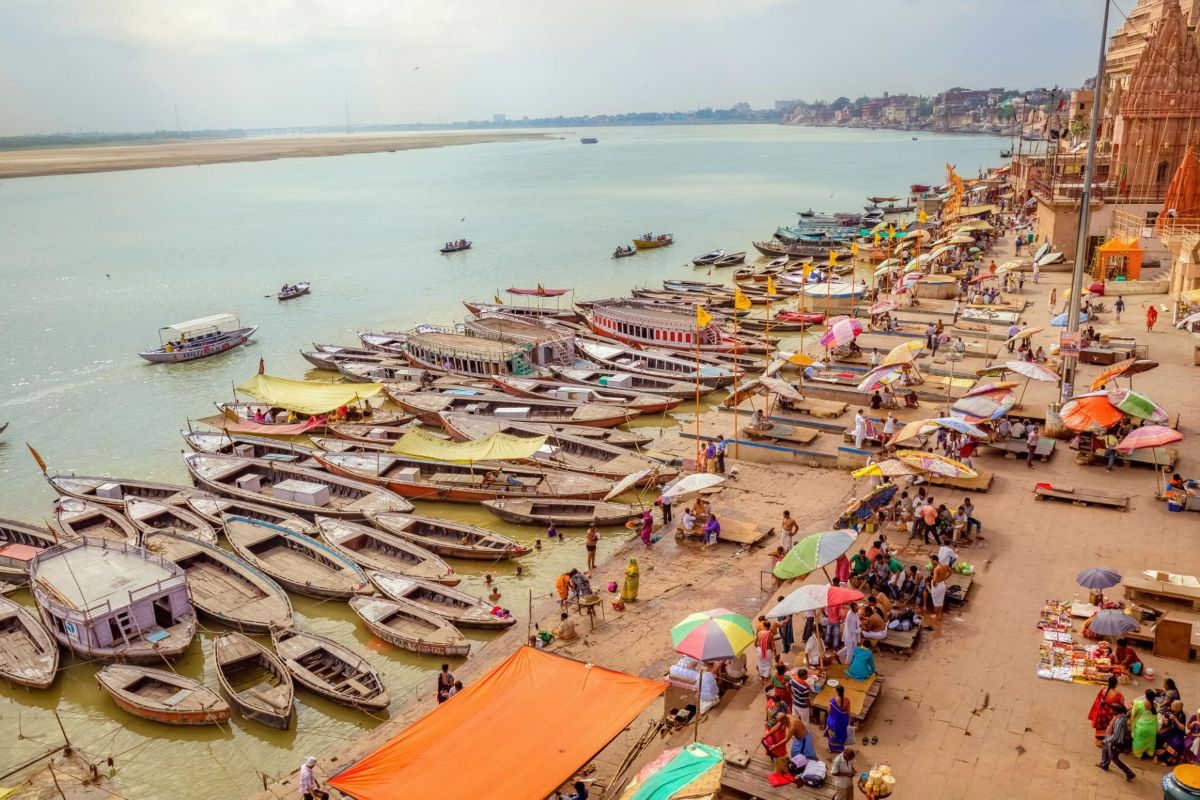
Varanasi — also called Kashi or Banaras — is one of the world's oldest living cities and the most sacred of all pilgrimage destinations in Hinduism. Lord Shiva himself is said to reside here permanently, and it is believed that anyone who dies in Kashi attains moksha (liberation from the cycle of birth and death). The city stretches along the western bank of the sacred River Ganga for about 7 km with over 80 ghats.
Kashi Vishwanath Temple
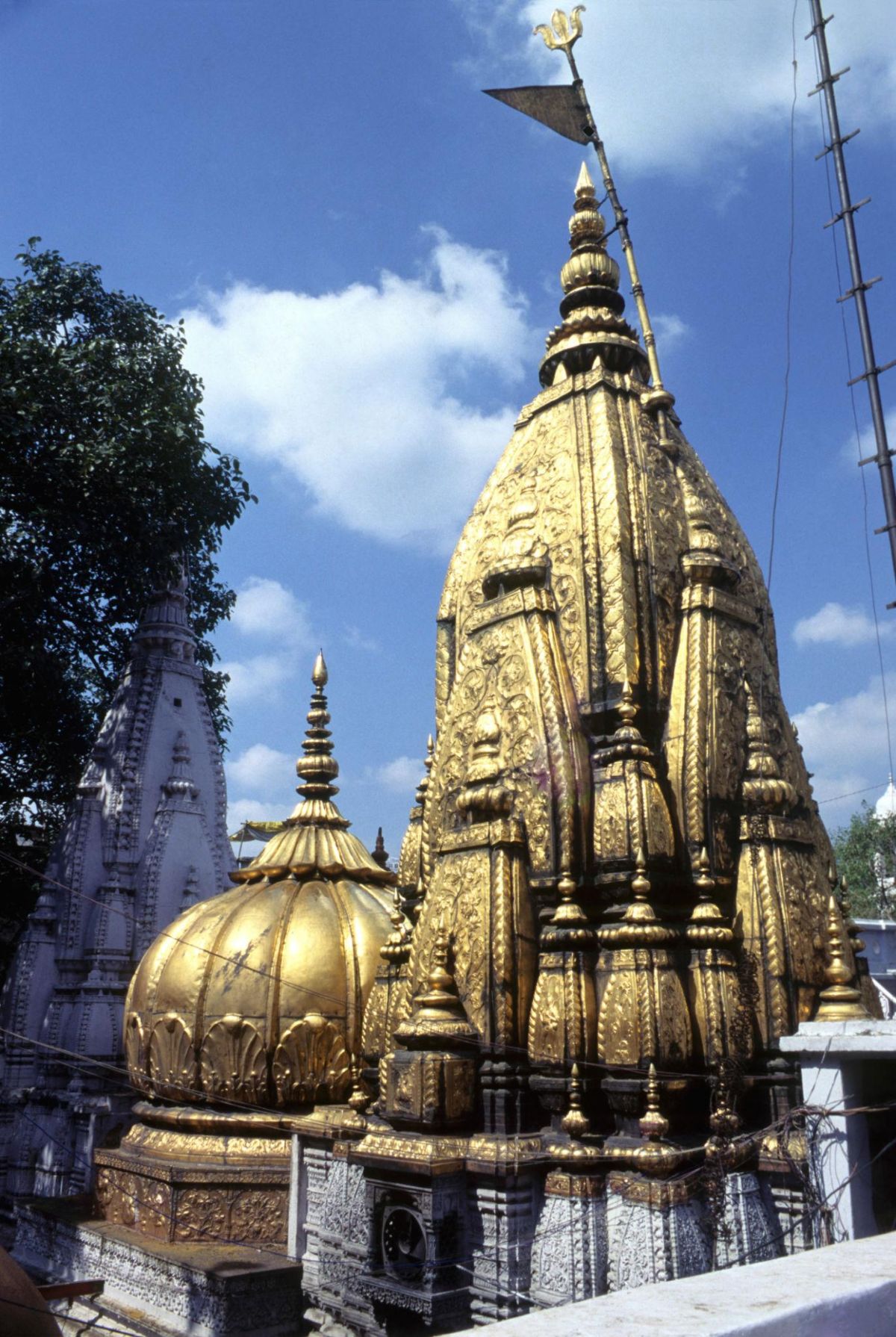
The Kashi Vishwanath Temple is the most sacred Shiva temple in the world — one of the 12 Jyotirlingas. The newly rebuilt Kashi Vishwanath Corridor has transformed the experience, providing a grand 5-lakh square foot complex connecting the temple to the Ganga ghats. The golden spire of the temple is a beacon of faith for millions.
The Ghats of Varanasi
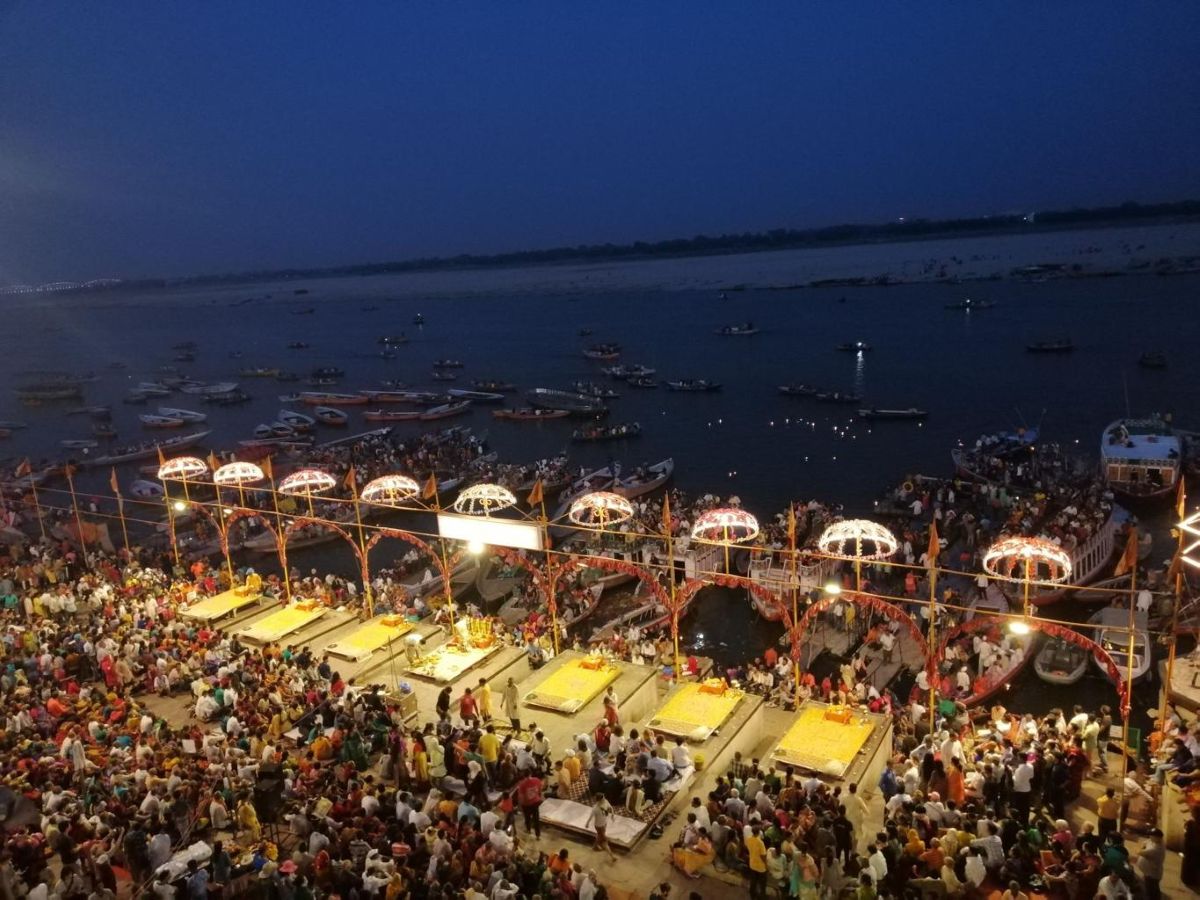
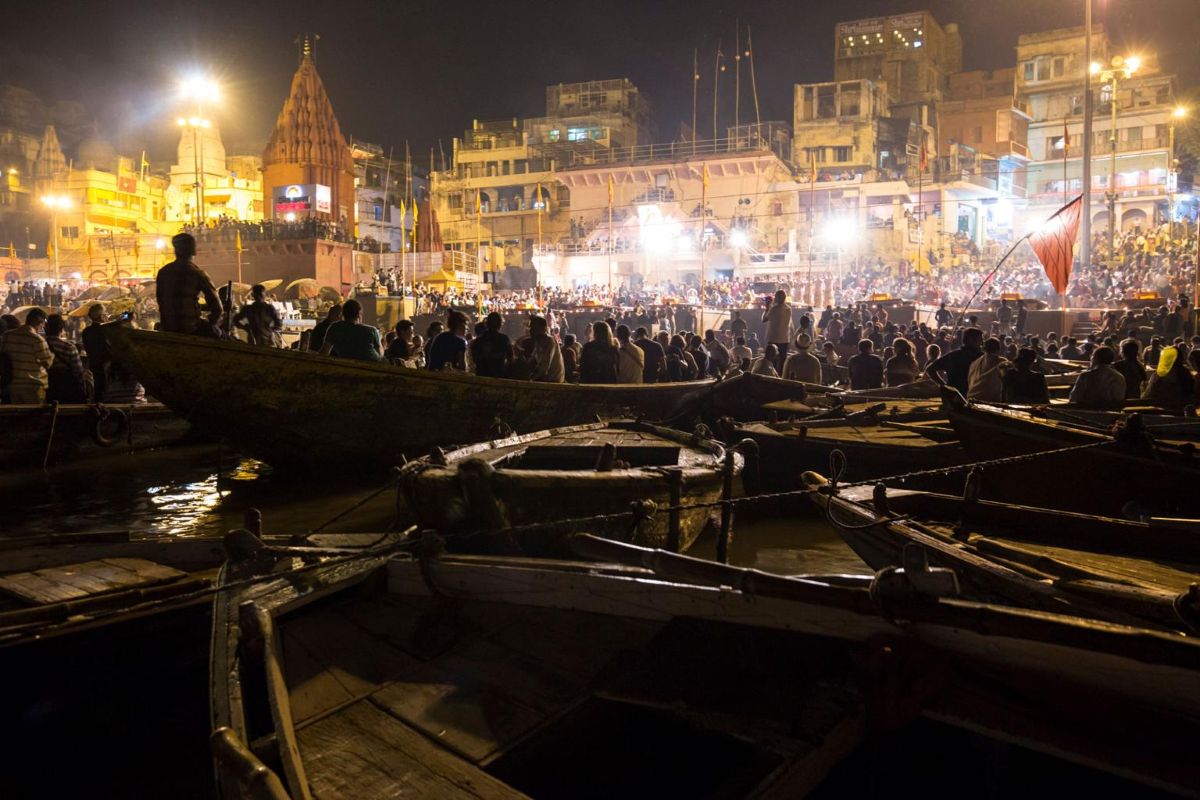
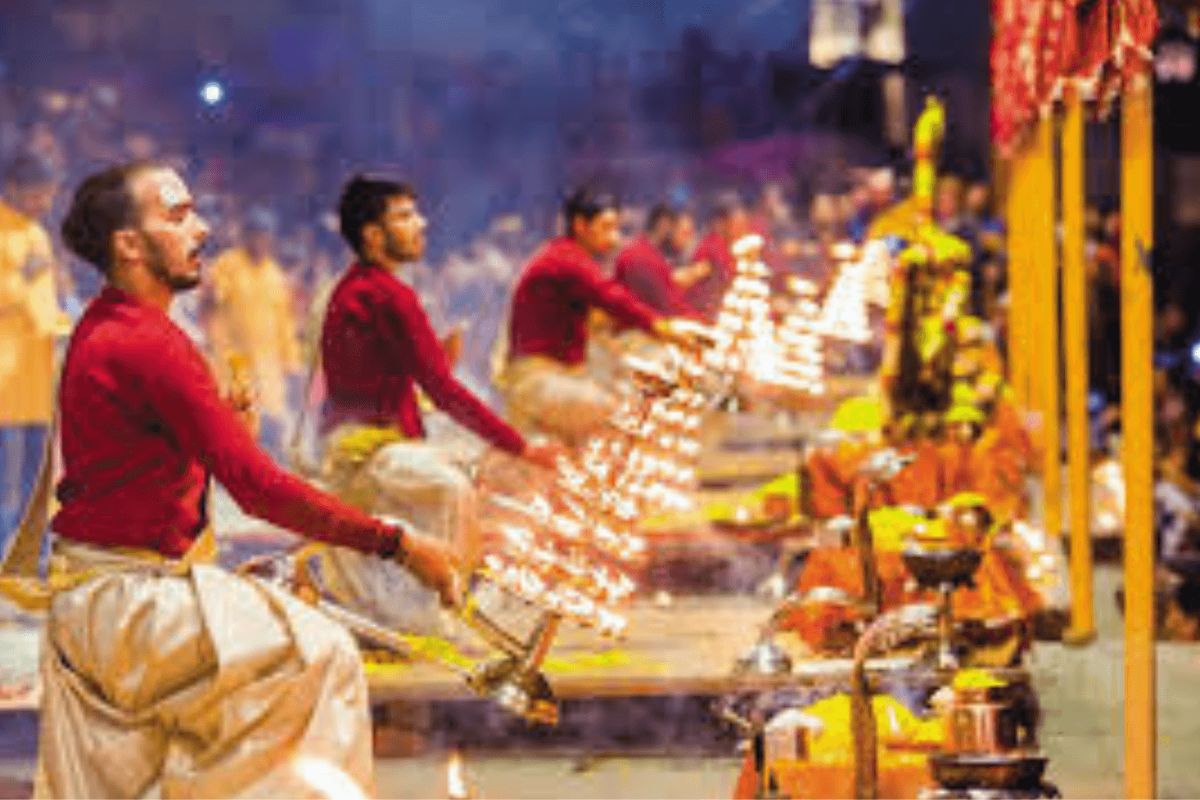
The 84 ghats of Varanasi are the soul of the city. Dashashwamedh Ghat hosts the mesmerising evening Ganga Aarti — a grand ceremony of fire, chants, and devotion performed by trained priests. Assi Ghat is where the Assi and Ganga rivers meet — an important pilgrimage point. Manikarnika Ghat, the eternal cremation ghat, is considered the most auspicious place for last rites.
Sarnath
Just 10 km from Varanasi, Sarnath is where the Buddha gave his first sermon after attaining enlightenment. The Dhamek Stupa (5th century CE), the Ashoka Pillar with its lion capital (India's national emblem), and the Sarnath Museum make this a UNESCO World Heritage site.
Sankat Mochan Hanuman Temple
One of the most beloved temples of Varanasi, Sankat Mochan is dedicated to Lord Hanuman and is believed to fulfil the wishes of devotees. Founded by the great saint-poet Tulsidas, author of the Ramcharitmanas, it is surrounded by a serene forest.
Tulsi Manas Temple
Built in 1964 near Sankat Mochan, this white marble temple marks the spot where saint Tulsidas composed the Ramcharitmanas. The walls are inscribed with verses from this epic, and the temple houses beautiful depictions of scenes from Ram's life.
Banaras Hindu University (BHU)
Founded by Pandit Madan Mohan Malaviya in 1916, BHU houses the stunning Vishwanath Temple within its campus — a 77-metre tall temple visible from far. The campus and the Bharat Kala Bhavan museum are worth visiting.
Best Time to Visit
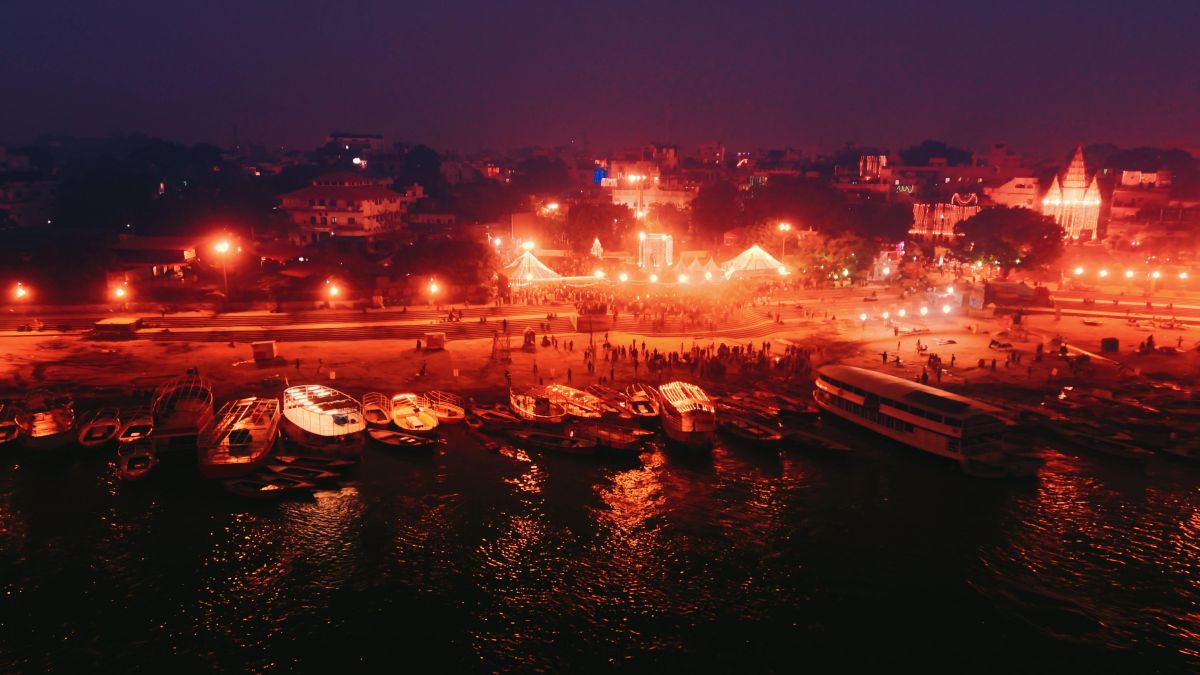
October to March is the best time. Dev Deepawali (November, 15 days after Diwali) is the most spectacular event when thousands of earthen lamps illuminate all 84 ghats. Mahashivratri (February/March) sees the largest Shiva pilgrimage in Varanasi.
How to Reach
Lal Bahadur Shastri International Airport (VNS) serves Varanasi with direct flights from Delhi, Mumbai, Kolkata, and international cities. Varanasi Junction (BSB) is a major railway hub. The city is 200 km from Prayagraj and 300 km from Patna.