About Kedarnath
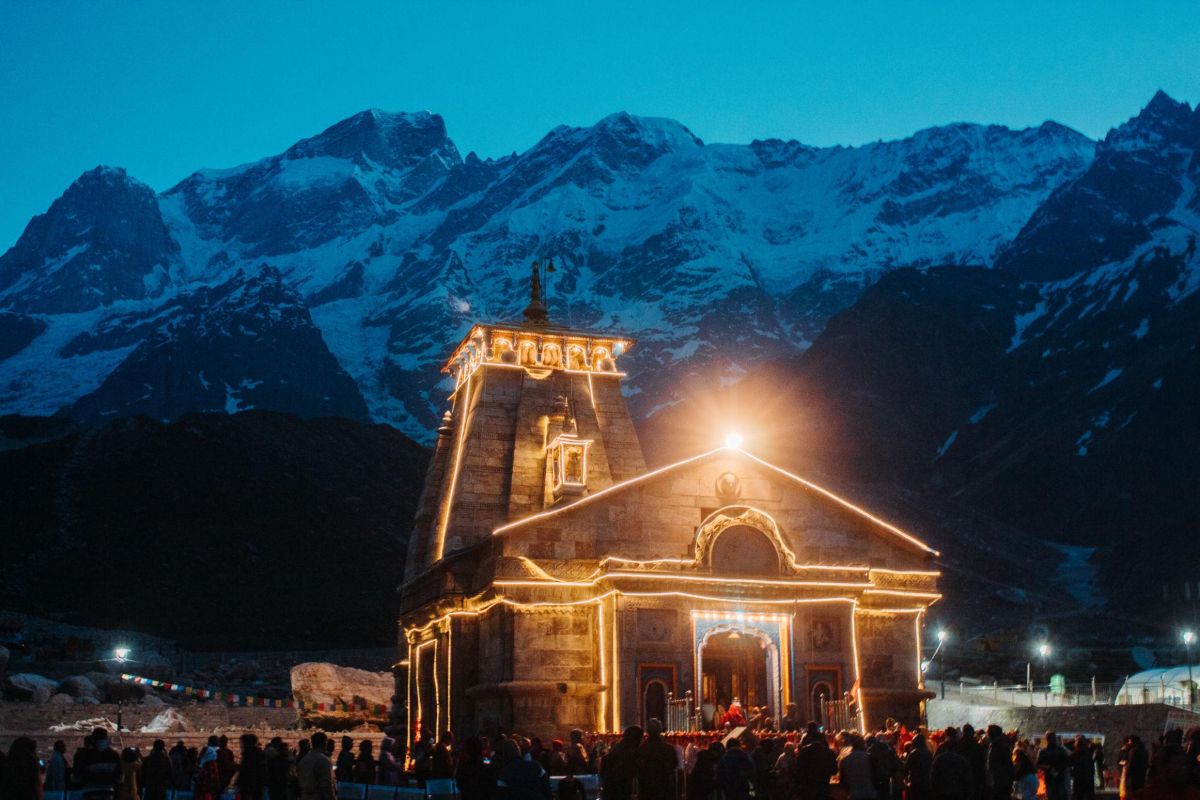
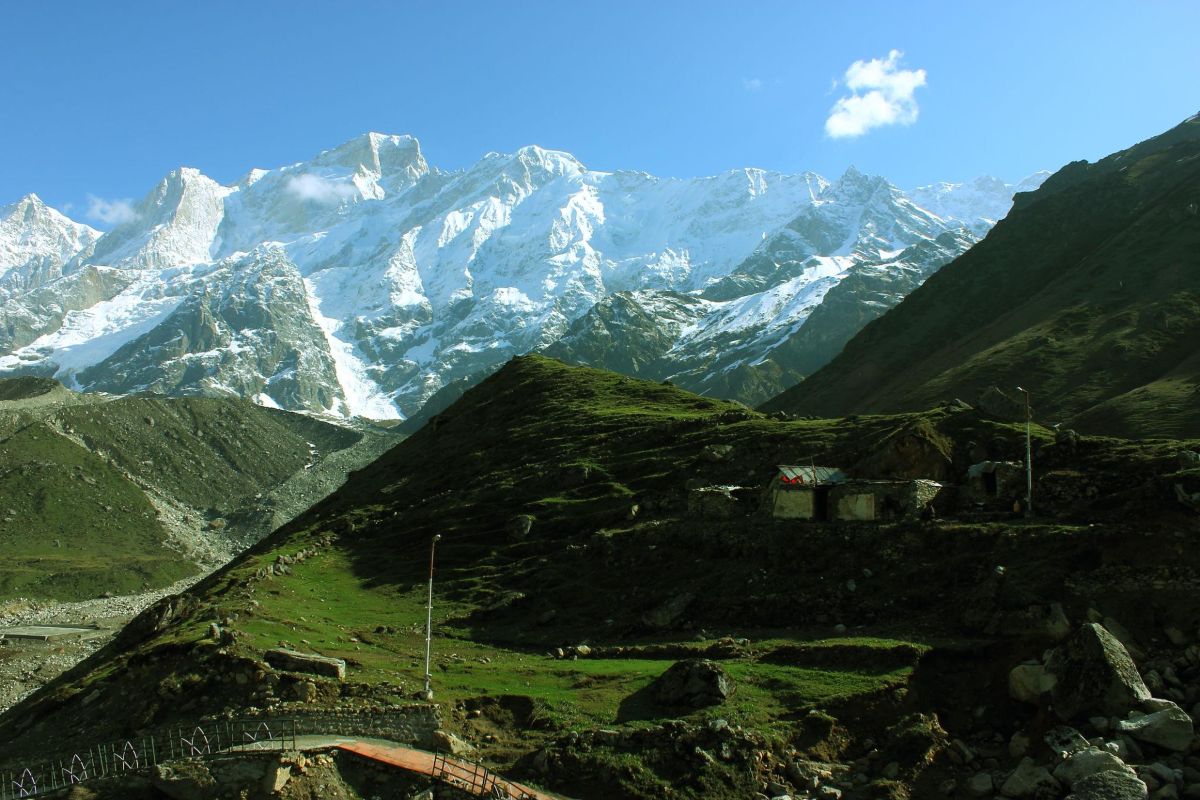
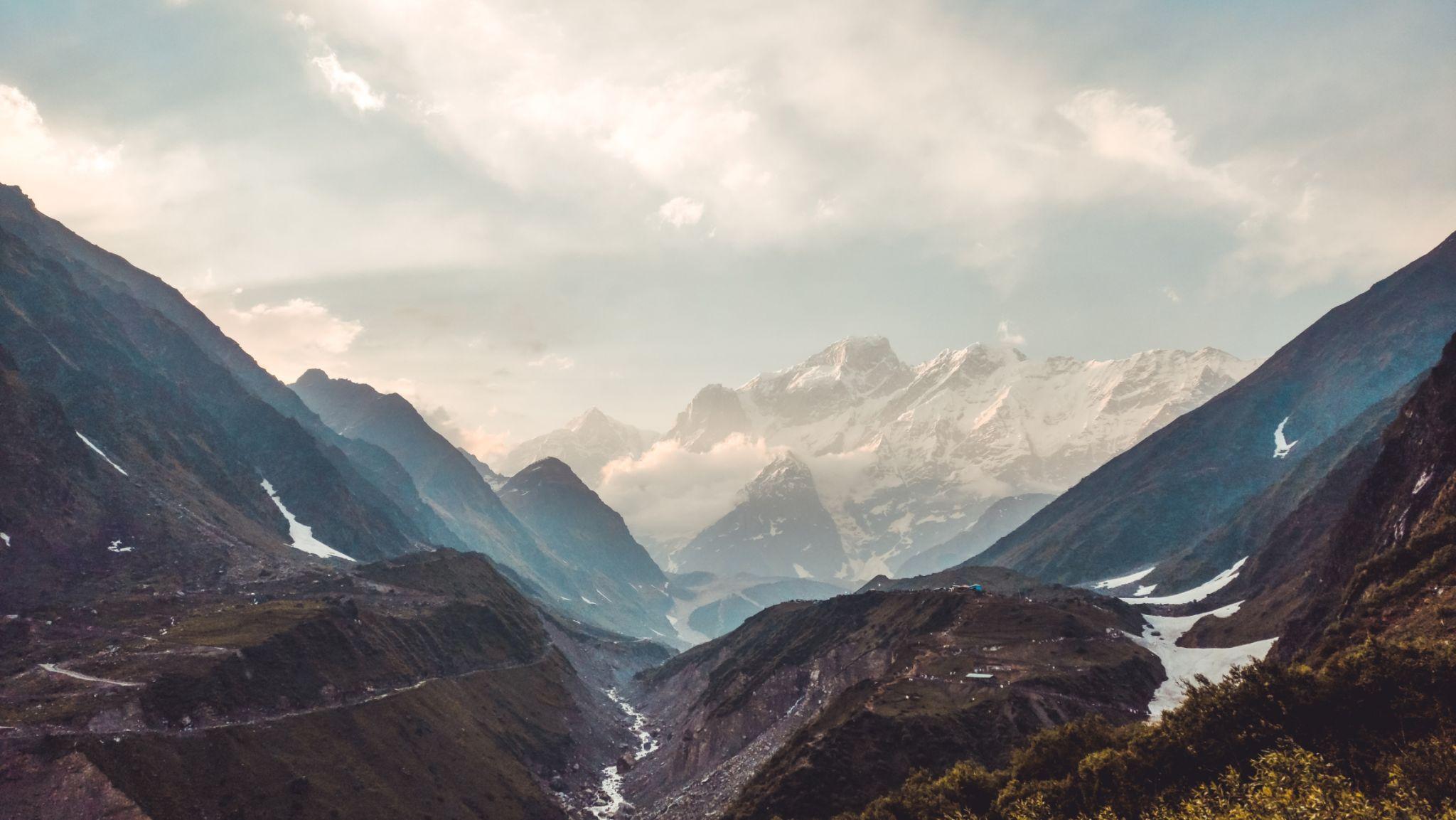
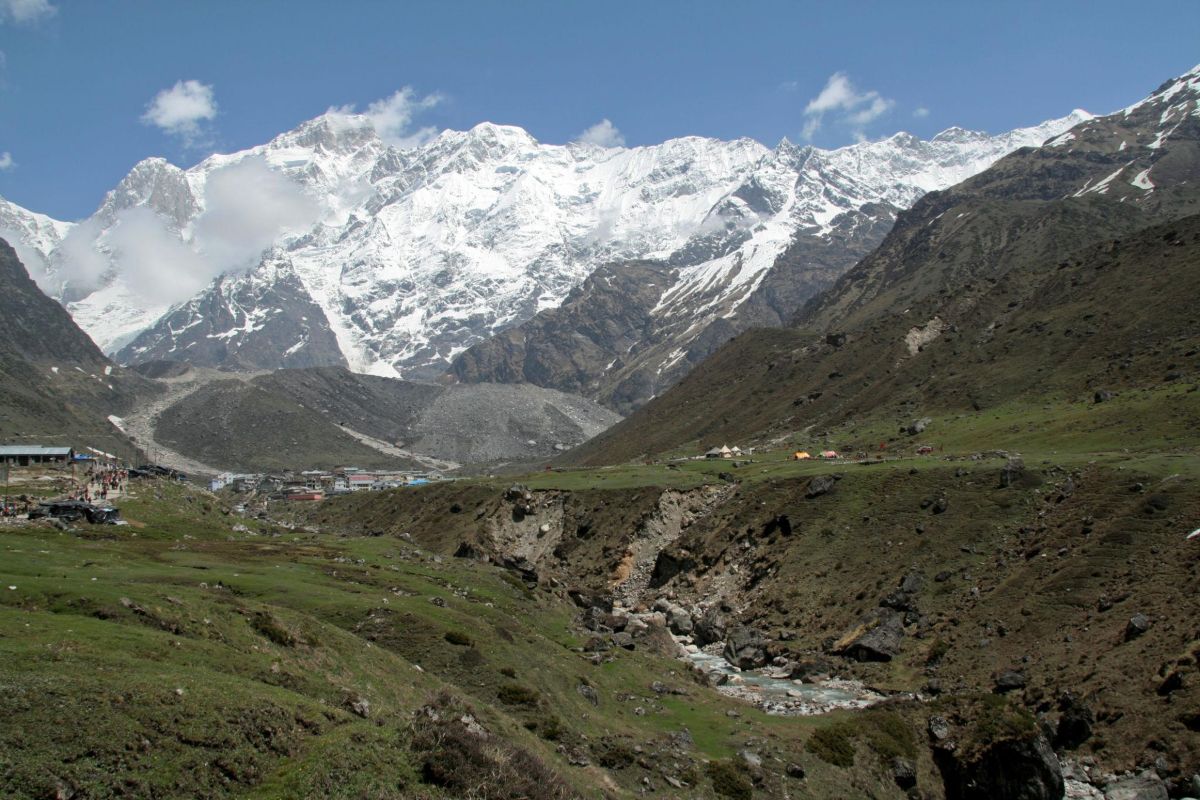
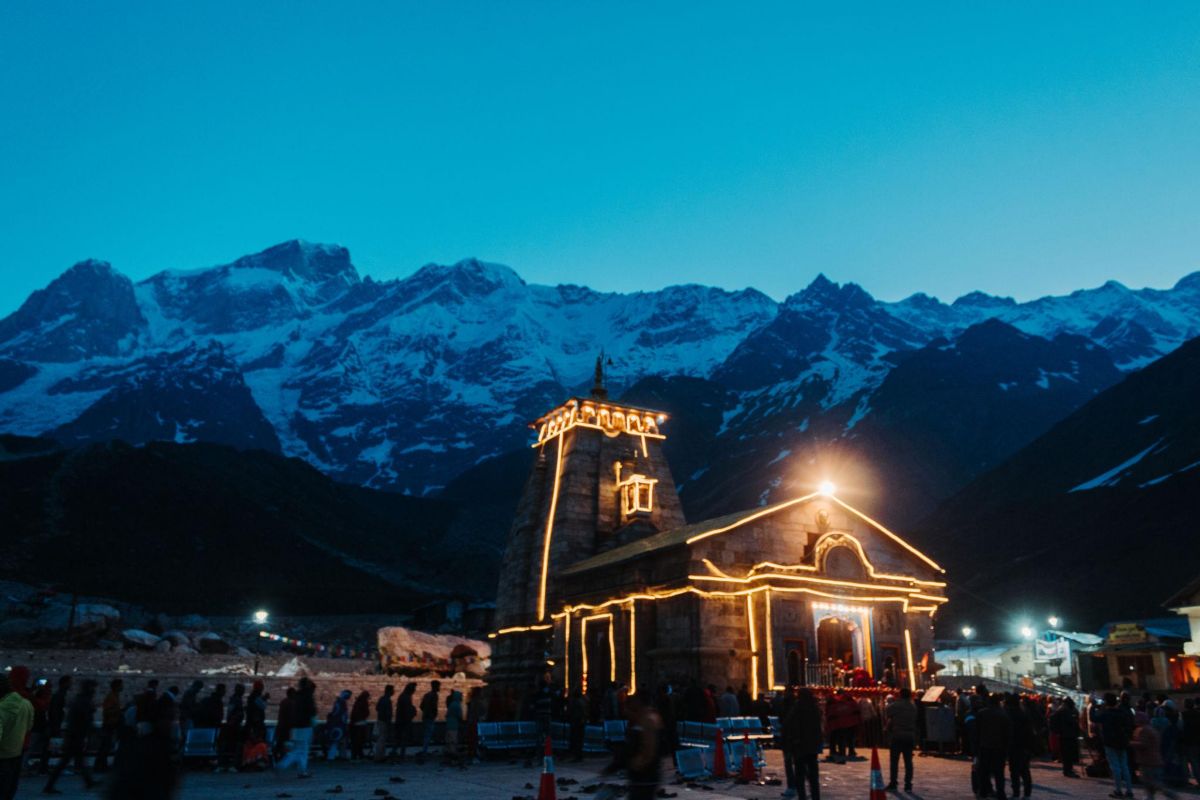
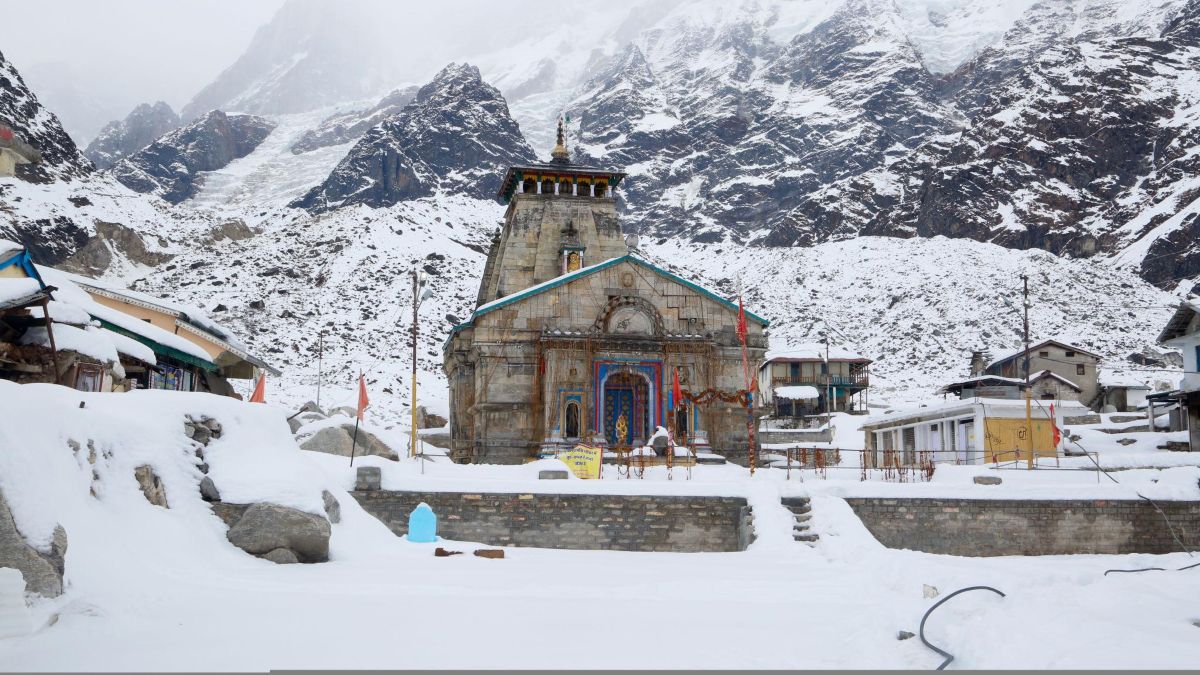
Kedarnath, at an elevation of 3,583 metres in the Rudraprayag district of Uttarakhand, is one of the most revered pilgrimage sites in Hinduism. It is one of the 12 Jyotirlingas of Lord Shiva and forms one of the four sacred sites of the Char Dham Yatra. The ancient Kedarnath Temple, believed to be over 1,200 years old and built (or rebuilt) by Adi Shankaracharya, stands majestically against the backdrop of the snow-capped Kedarnath peak (6,940 m).
Kedarnath Temple
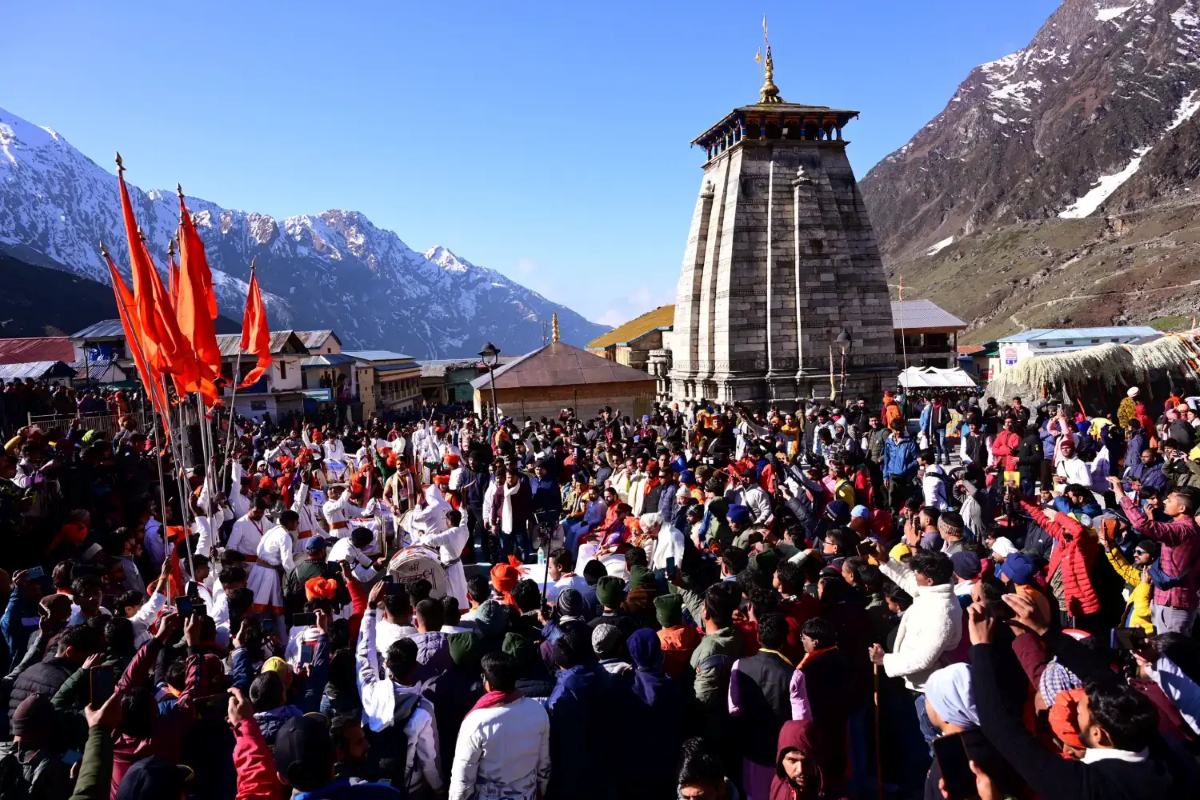
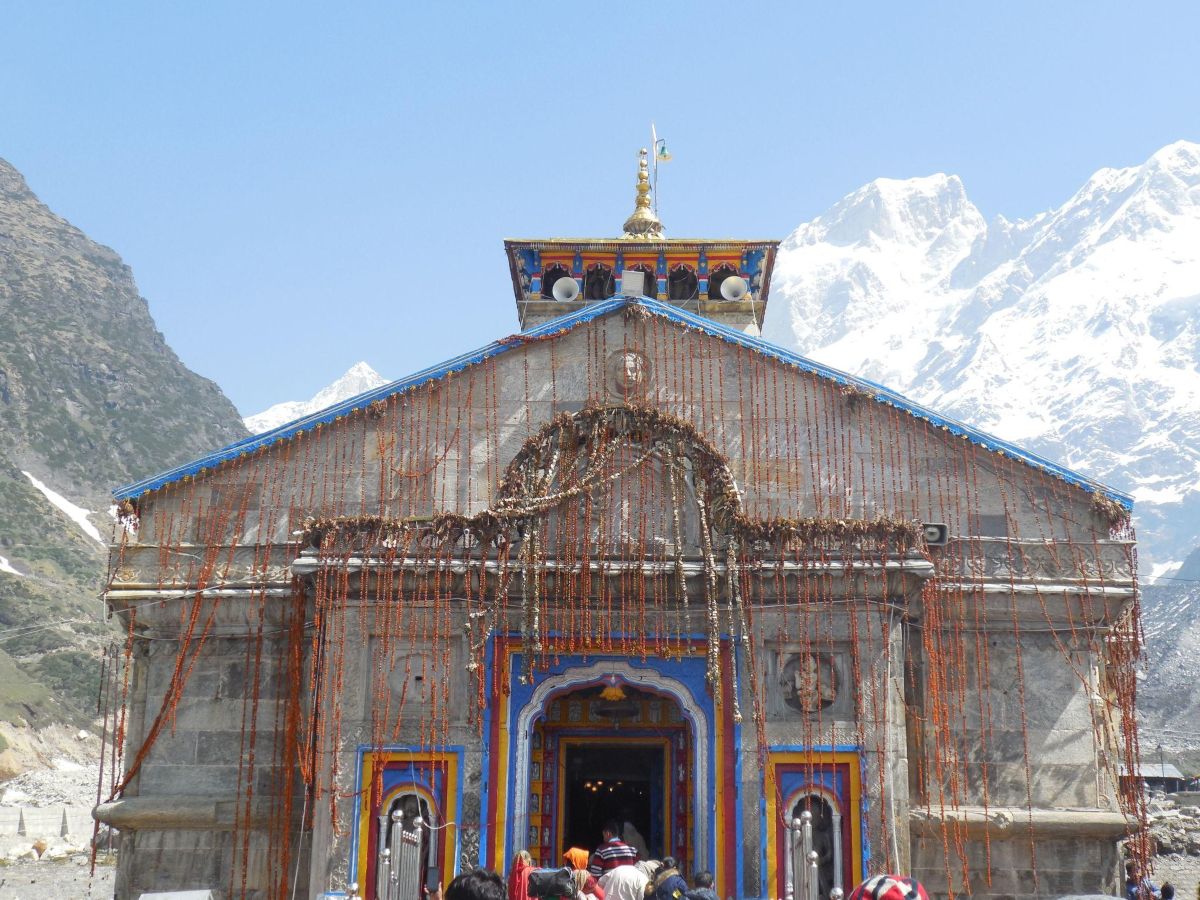
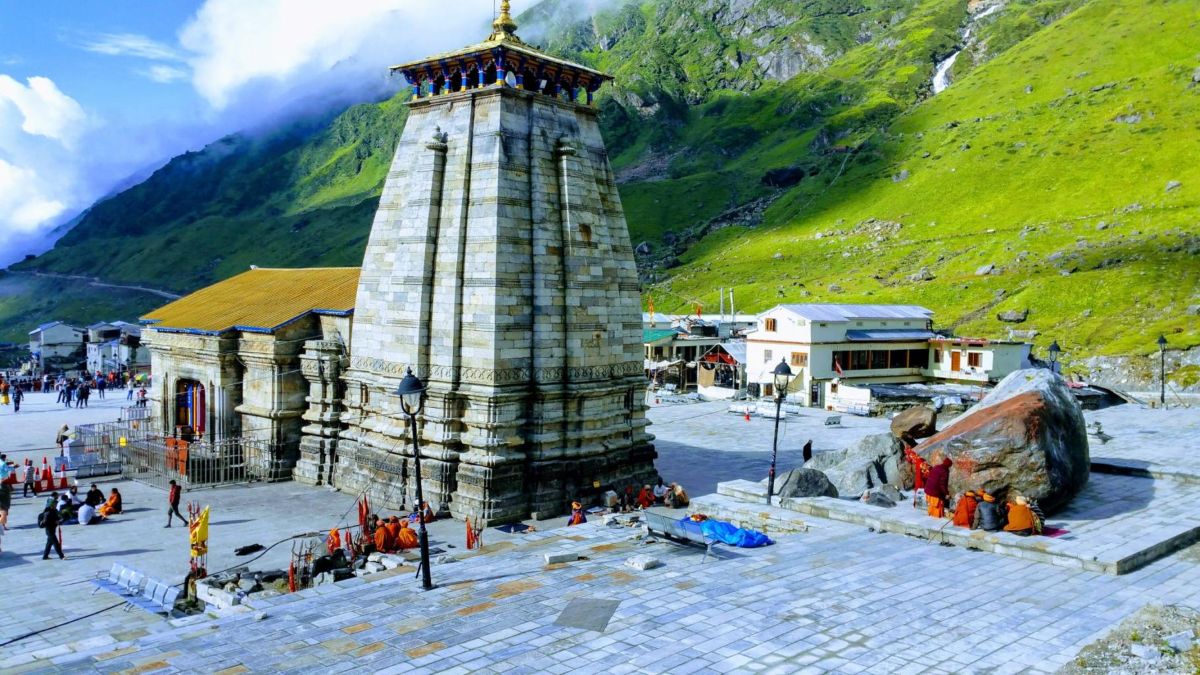
The Kedarnath Temple is a masterpiece of ancient stone architecture — a massive structure made of enormous grey stone slabs, standing firm against centuries of harsh Himalayan winters. The temple enshrines the Svayambhu (self-manifested) Jyotirlinga — a conical rock formation representing Lord Shiva. The Garbhagriha (sanctum) holds the lingam, and it is believed that Lord Shiva himself guards this spot. The temple is open only from May to November each year.
Adi Shankaracharya Samadhi
Just behind the Kedarnath temple is the Samadhi (memorial) of Adi Shankaracharya — the great 8th-century philosopher who revived Hinduism and undertook his mahasamadhi here at the age of 32. The samadhi was damaged in the 2013 floods but has been beautifully restored.
The Trek to Kedarnath
The 16-km trek from Gaurikund to Kedarnath is one of the most spiritually charged treks in the world. The path rises through alpine meadows, waterfalls, forests of birch and rhododendron, and breath-taking Himalayan vistas. Pony rides, palanquins (dolis), and helicopter services (from Phata, Sersi, and Guptkashi) are available for those who cannot trek.
Vasuki Tal & Gandhi Sarovar
Vasuki Tal (10 km from Kedarnath, at 4,135 m) is a stunning glacial lake near the Kedarnath peak. Gandhi Sarovar (Chorabari Glacier lake, 3 km from the temple) is where Mahatma Gandhi's ashes were immersed. These are rewarding treks for fit pilgrims.
Panch Kedar Yatra
Kedarnath is the primary shrine of the Panch Kedar pilgrimage — the five forms of Shiva in the Garhwal Himalayas: Kedarnath (back/hump), Tungnath (arms), Rudranath (face), Madhyamaheshwar (navel), and Kalpeshwar (hair). Completing all five is considered the highest Shiva pilgrimage.
Best Time to Visit
The temple opens on Akshaya Tritiya (April/May) and closes on Bhai Dooj (October/November). May–June and September–October are the best months for pilgrimage. Avoid July–August monsoon due to landslide risk, and November–April when the temple is closed and area is snow-covered.
How to Reach
Base camp is Gaurikund (16 km from Kedarnath temple). The nearest railhead is Rishikesh (210 km). By road: drive to Gaurikund via Rudraprayag, Ukhimath, and Sonprayag. Helicopter services operate from Phata and Sersi (book in advance — fills up quickly in season).