About Badrinath
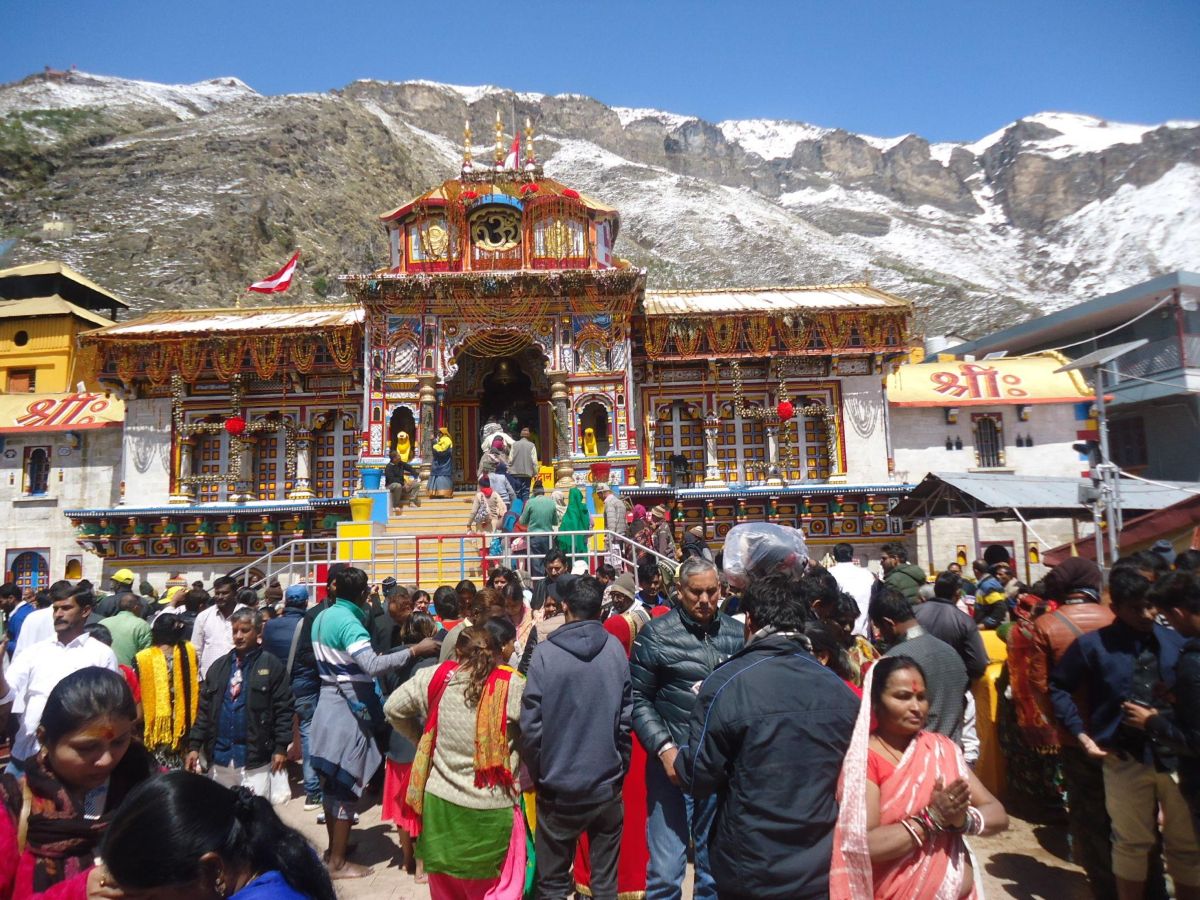
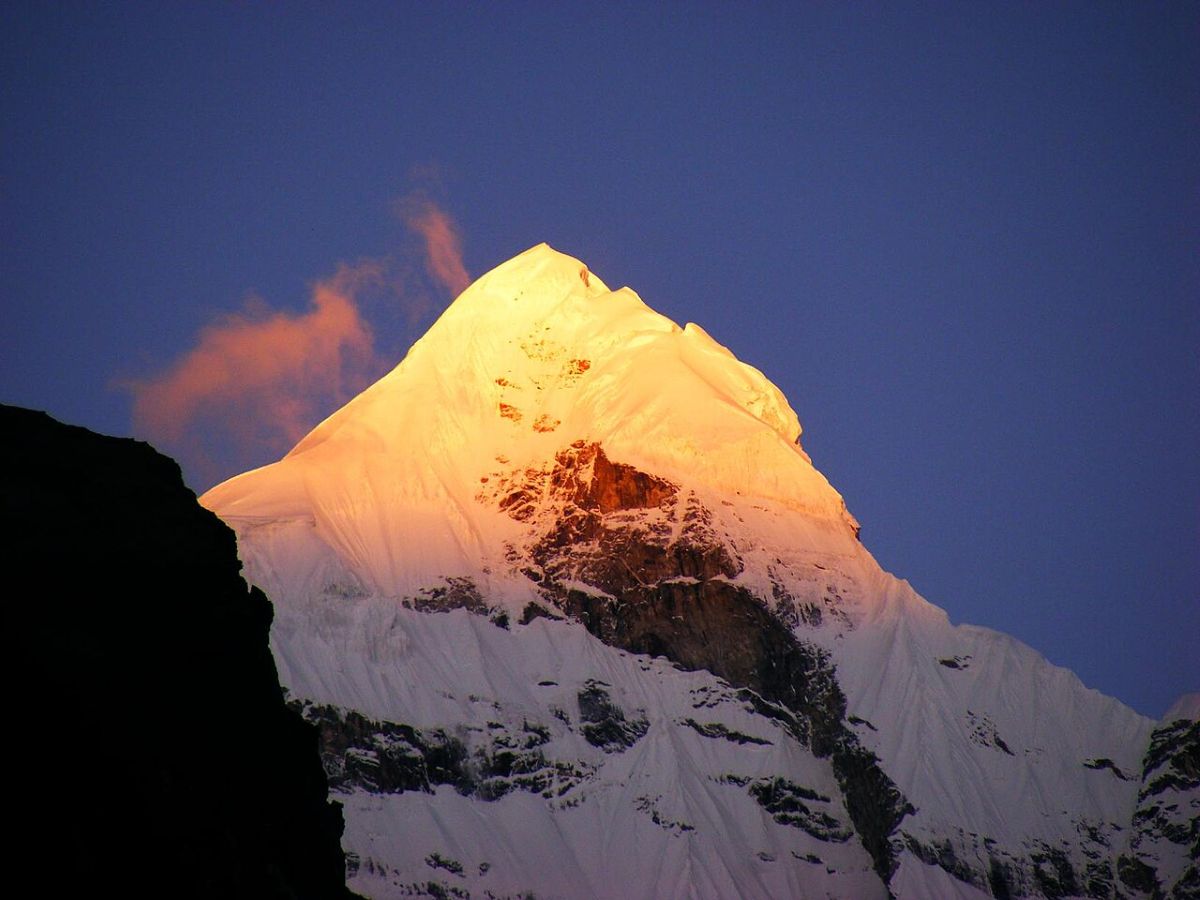
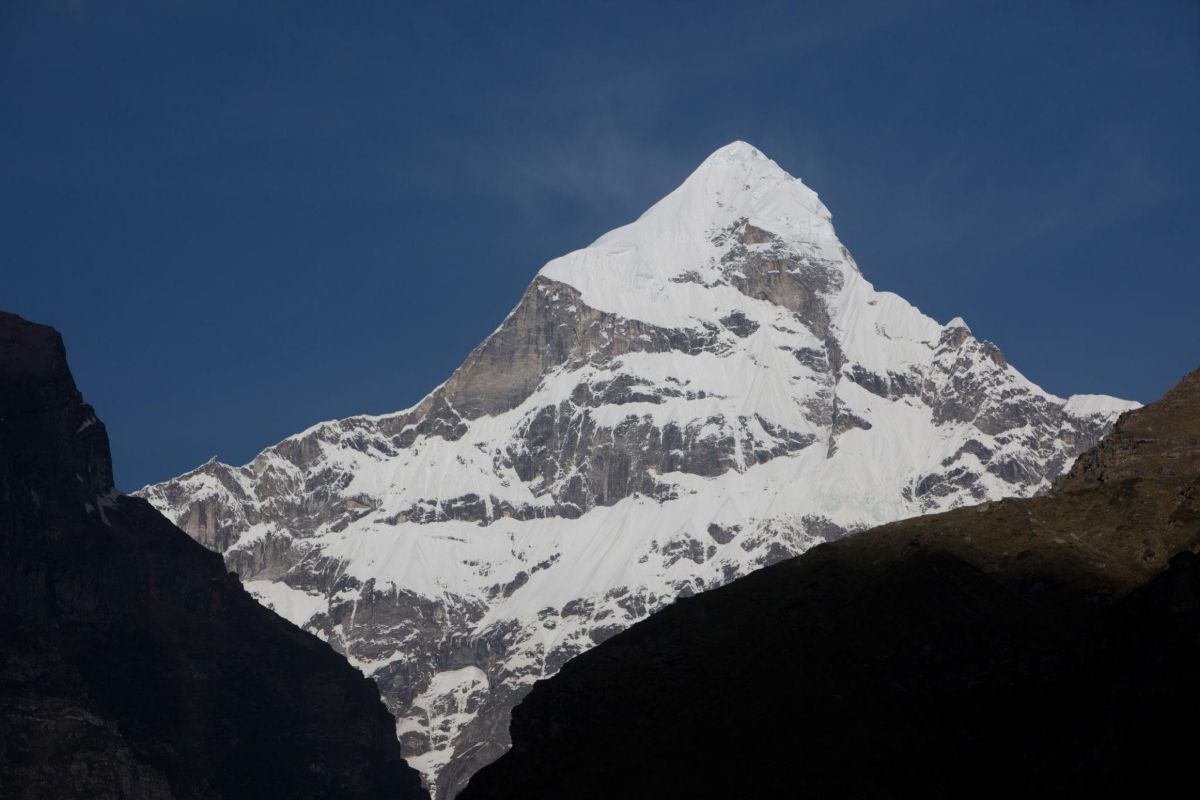
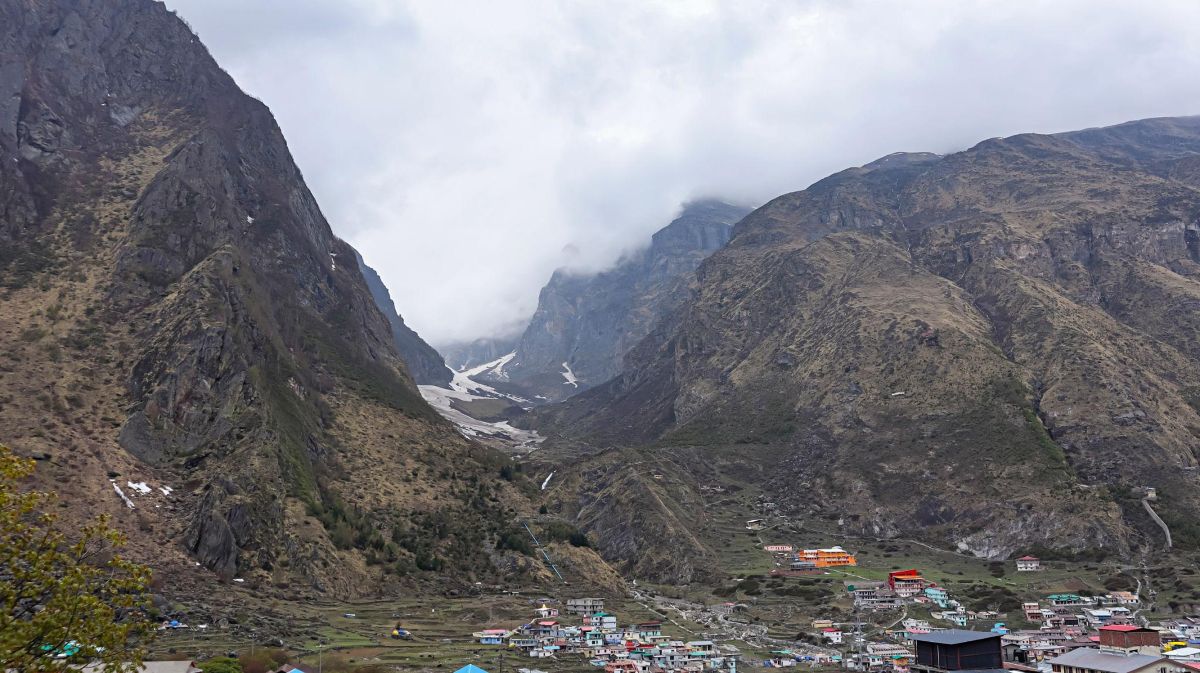
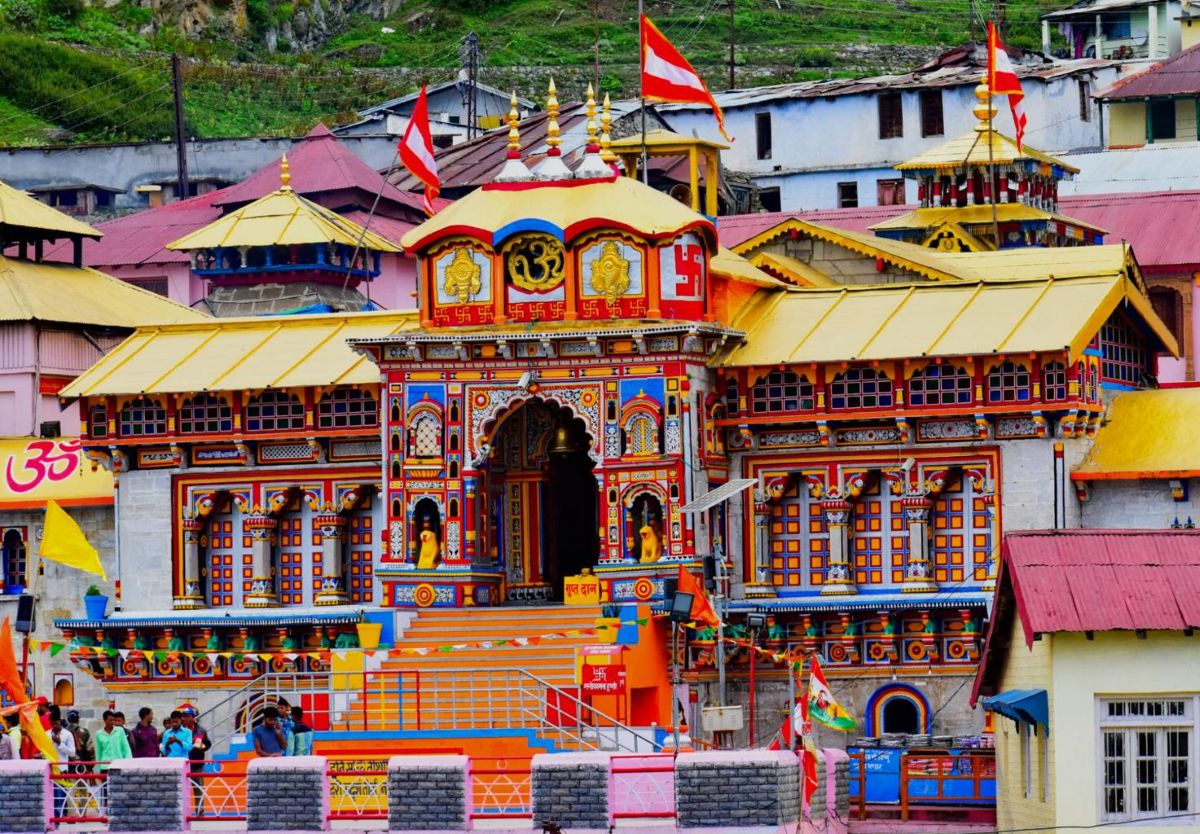
Badrinath, at an altitude of 3,300 metres on the banks of the Alaknanda river in Chamoli district, Uttarakhand, is the most sacred among the four Char Dham shrines. It is dedicated to Lord Vishnu (in the form of Badrinarayan) and is counted among the 108 Divya Desams — the holiest Vaishnava temples. The Badrinath Temple is flanked by the Nar and Narayan mountain ranges and overlooks the Neelkanth peak (6,597 m).
Badrinath Temple
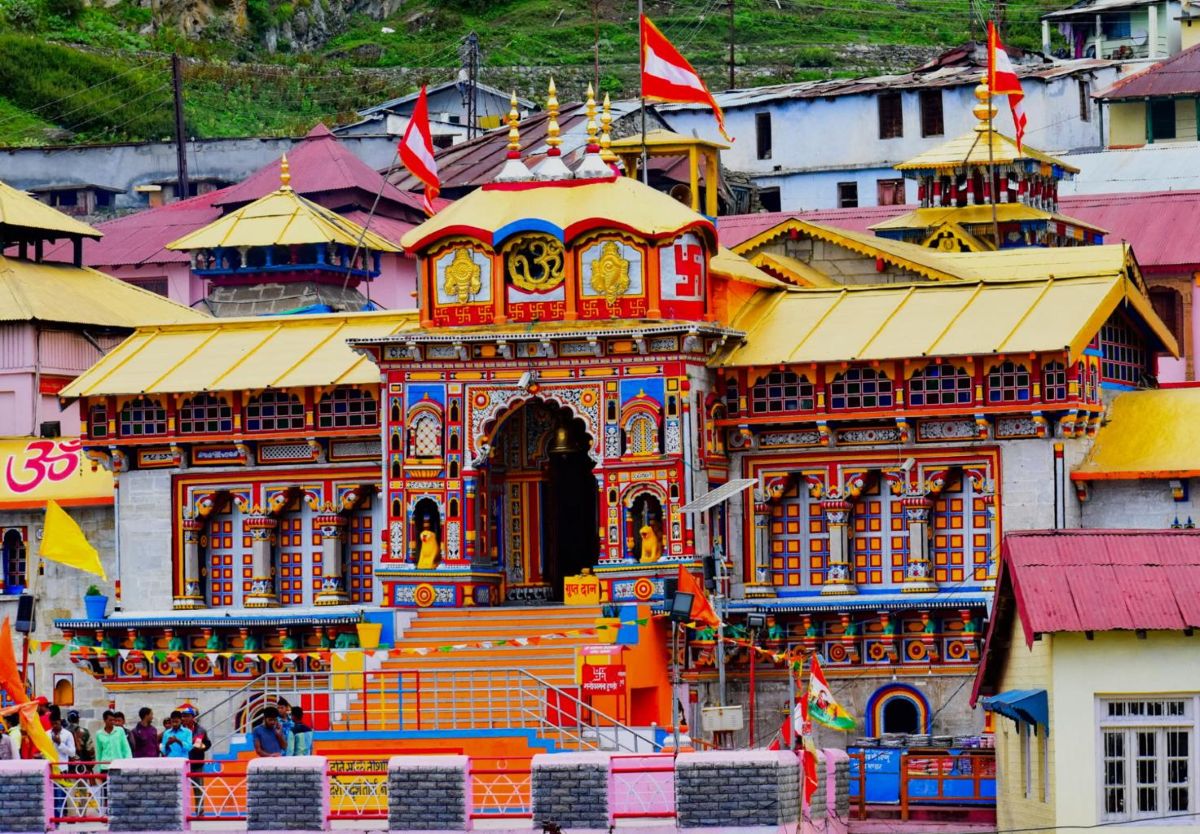
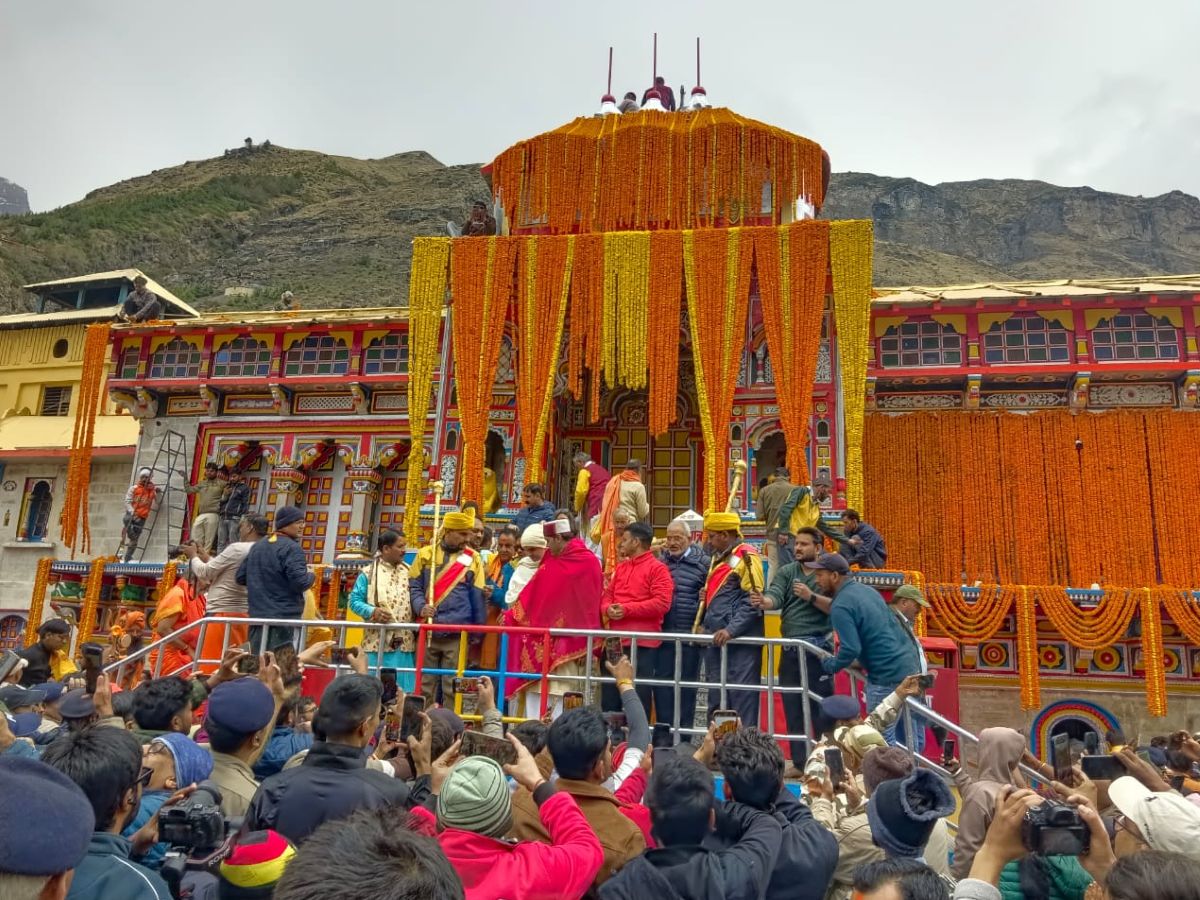
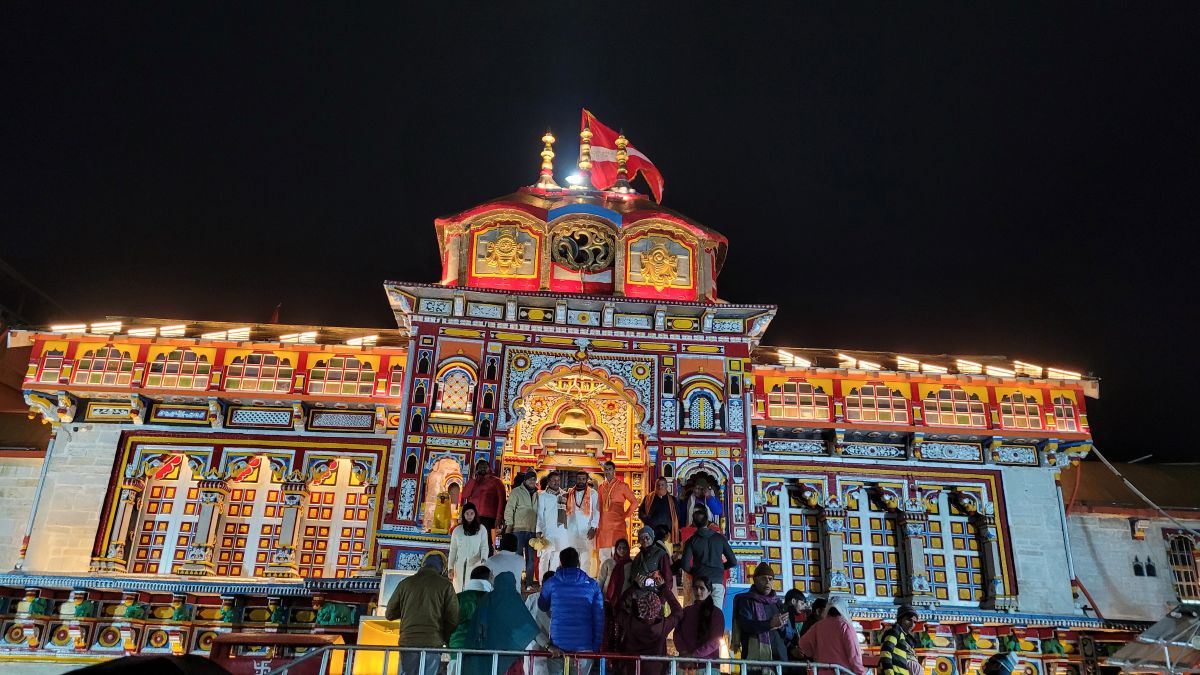
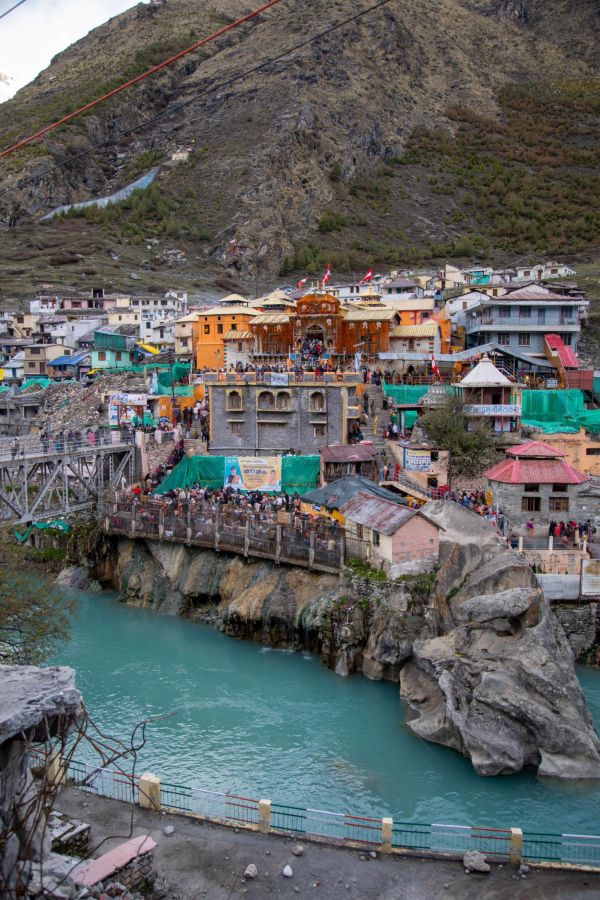
The Badrinath Temple is a brightly coloured structure featuring a distinctive conical roof, long porch, and arched windows in a typical Garhwali style. The central deity is Badrinarayan — a one-metre black stone idol of Lord Vishnu in padmasana (lotus posture), adorned with gold and gems. The idol is believed to be Swayambhu (self-manifested). Abadi Shankaracharya is credited with establishing the current puja traditions here in the 8th century CE.
Tapt Kund
Just below the temple, Tapt Kund is a natural hot spring with water temperature of 45°C. Pilgrims traditionally take a dip in these holy sulphur springs before entering the temple. The water is believed to have medicinal properties and is considered as purifying as the Ganga.
Mana Village — The Last Indian Village
Just 3 km from Badrinath, Mana Village is the last inhabited village before the Tibet border. It holds profound mythological significance: Vyas Gufa (cave where sage Vyas dictated the Mahabharata), Ganesh Gufa (where Ganesha wrote it), Bheem Pul (a natural rock bridge over the Saraswati river), and the starting point of the path to Swarga Rohini (the path to heaven walked by the Pandavas). The village has a charming row of traditional stone homes.
Brahma Kapal
Brahma Kapal is a flat platform on the banks of the Alaknanda near the temple where Hindus perform pind daan (ancestral rites) for the liberation of their ancestors. It is considered one of the most potent sites for such rituals in all of India.
Valley of Flowers & Hemkund Sahib
Near Badrinath, the Valley of Flowers National Park (UNESCO World Heritage Site) bursts into a carpet of hundreds of Himalayan wildflowers from July to September. The Hemkund Sahib (4,632 m) — a sacred Sikh gurudwara by a glacial lake — is one of the highest places of worship in the world and shares the same trek route.
Best Time to Visit
The temple opens on Akshaya Tritiya (April/May) and closes on Vijaya Dashami/Diwali (October/November). May–June and September–October are ideal. The temple remains closed in winters under heavy snowfall.
How to Reach
Nearest airport: Jolly Grant Airport, Dehradun (DED), 315 km away. Nearest railhead: Rishikesh (293 km via NH-58). Drive from Rishikesh takes 8–10 hours through Devprayag, Rudraprayag, Karnaprayag, Chamoli, and Joshimath (253 km from Rishikesh, base for Badrinath).