About Nepal Teerthyatra
The Nepal Teerthyatra (Nepal Pilgrimage) encompasses some of the most sacred shrines in the Hindu world, located in the sovereign nation of Nepal — which shares deep cultural, religious, and historical bonds with India. For Indian pilgrims, Nepal offers visa-free access and a spiritual experience of immense depth. The key pilgrimage destinations include Pashupatinath, Muktinath, Janakpur, and the sacred Bagmati and Gandaki rivers.
Pashupatinath Temple, Kathmandu
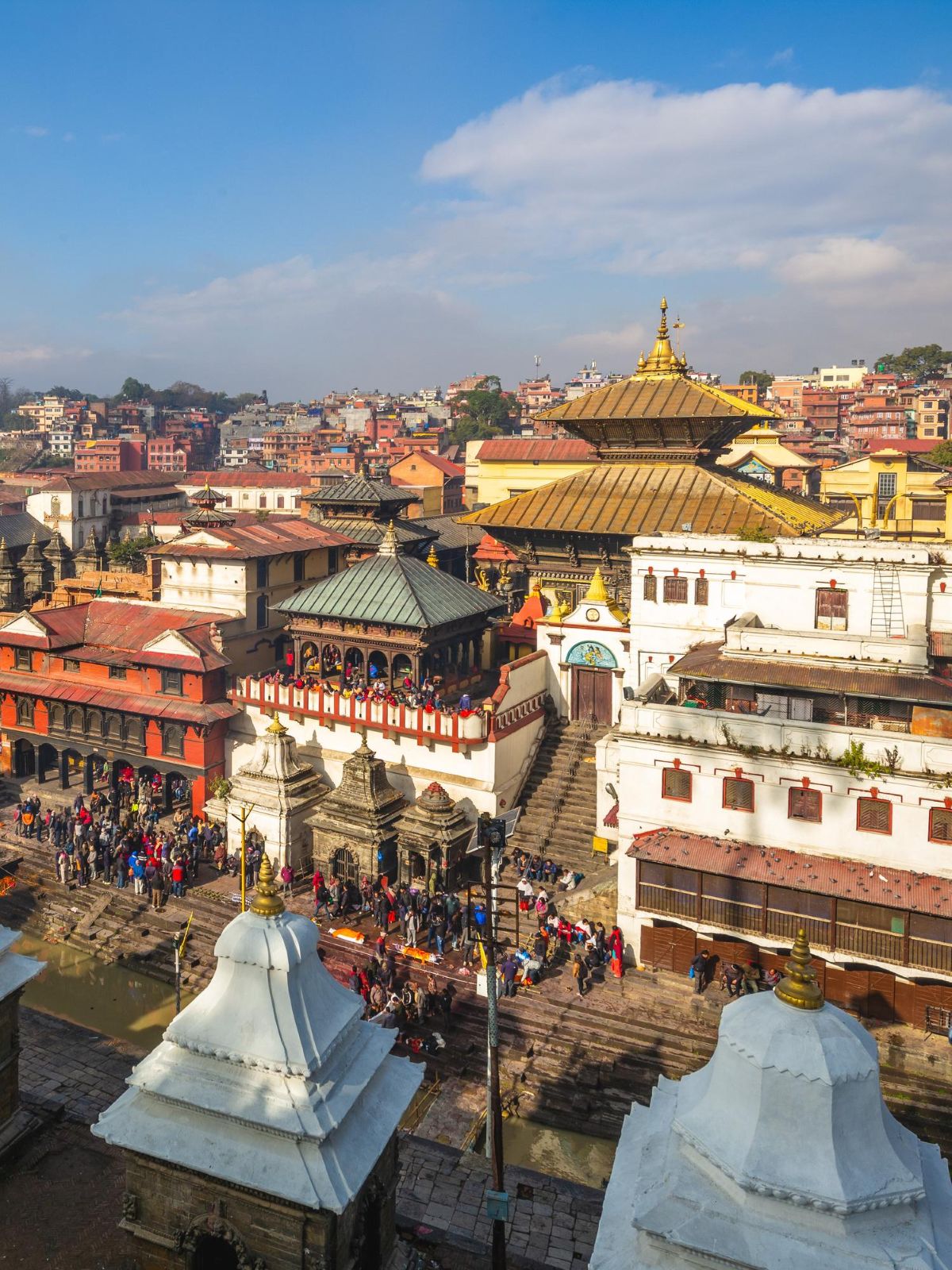
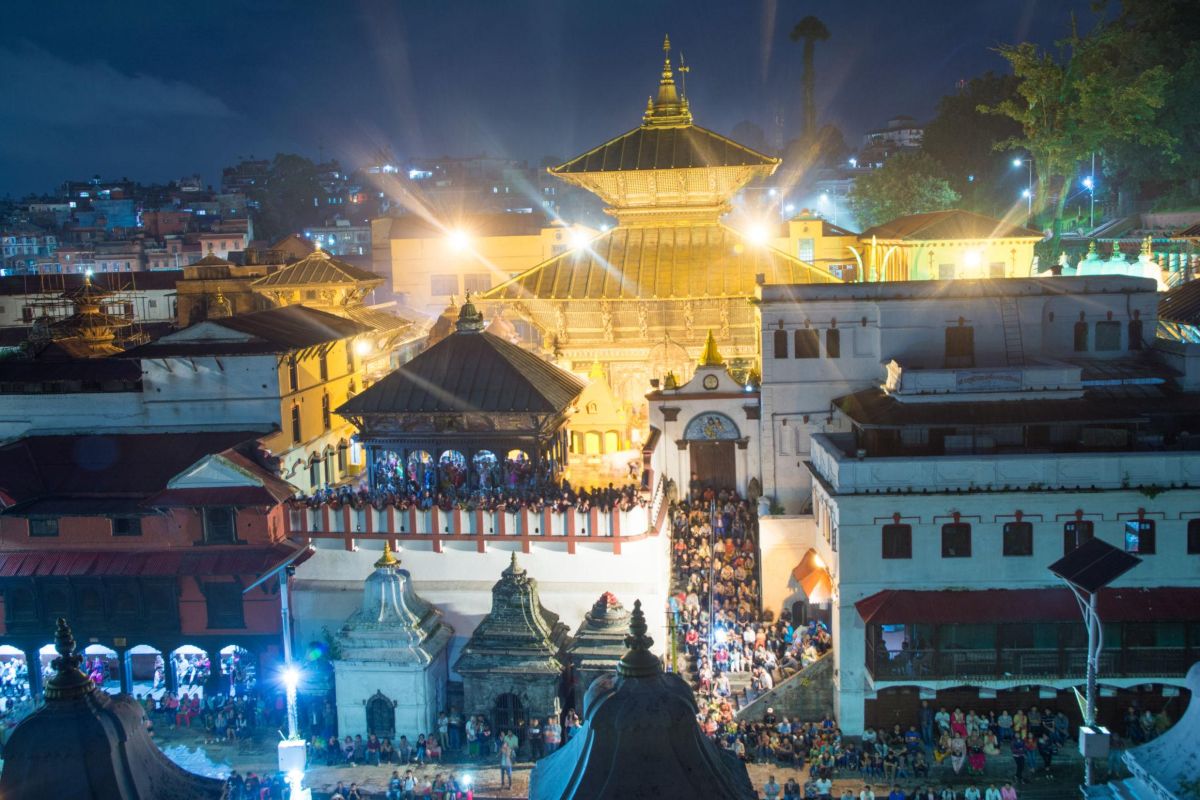
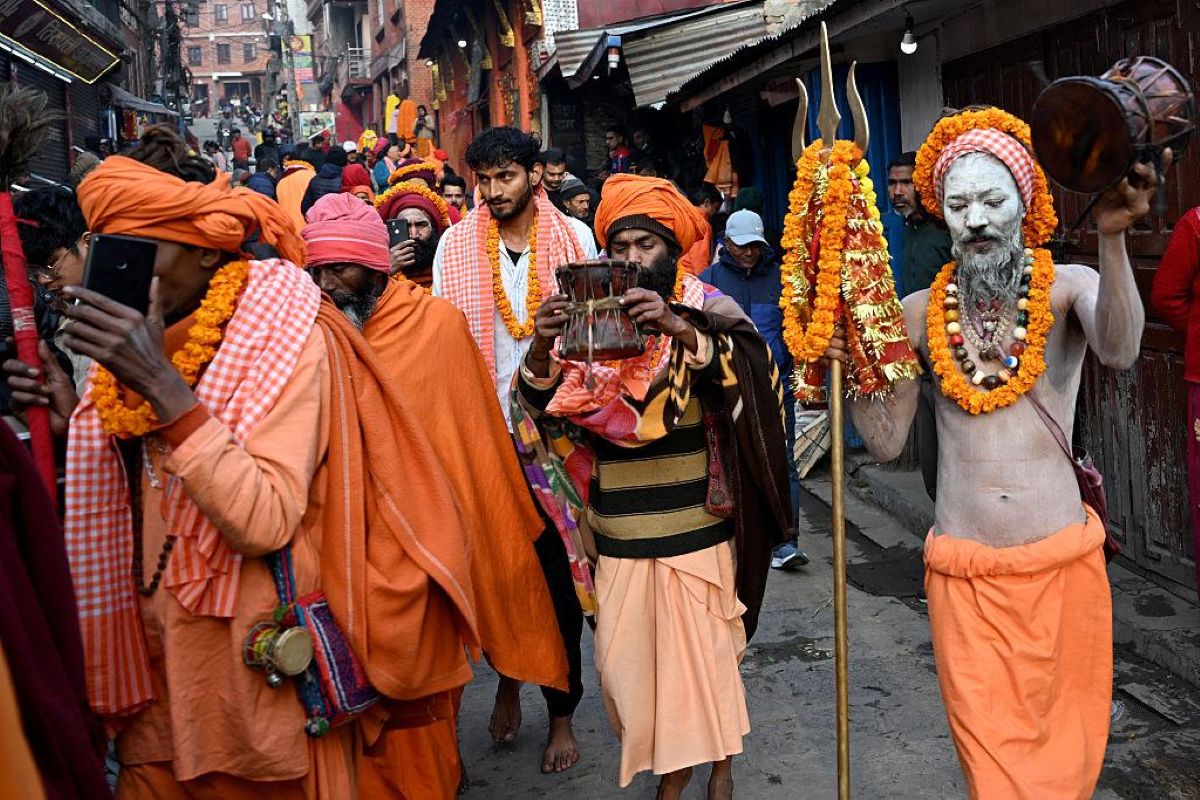
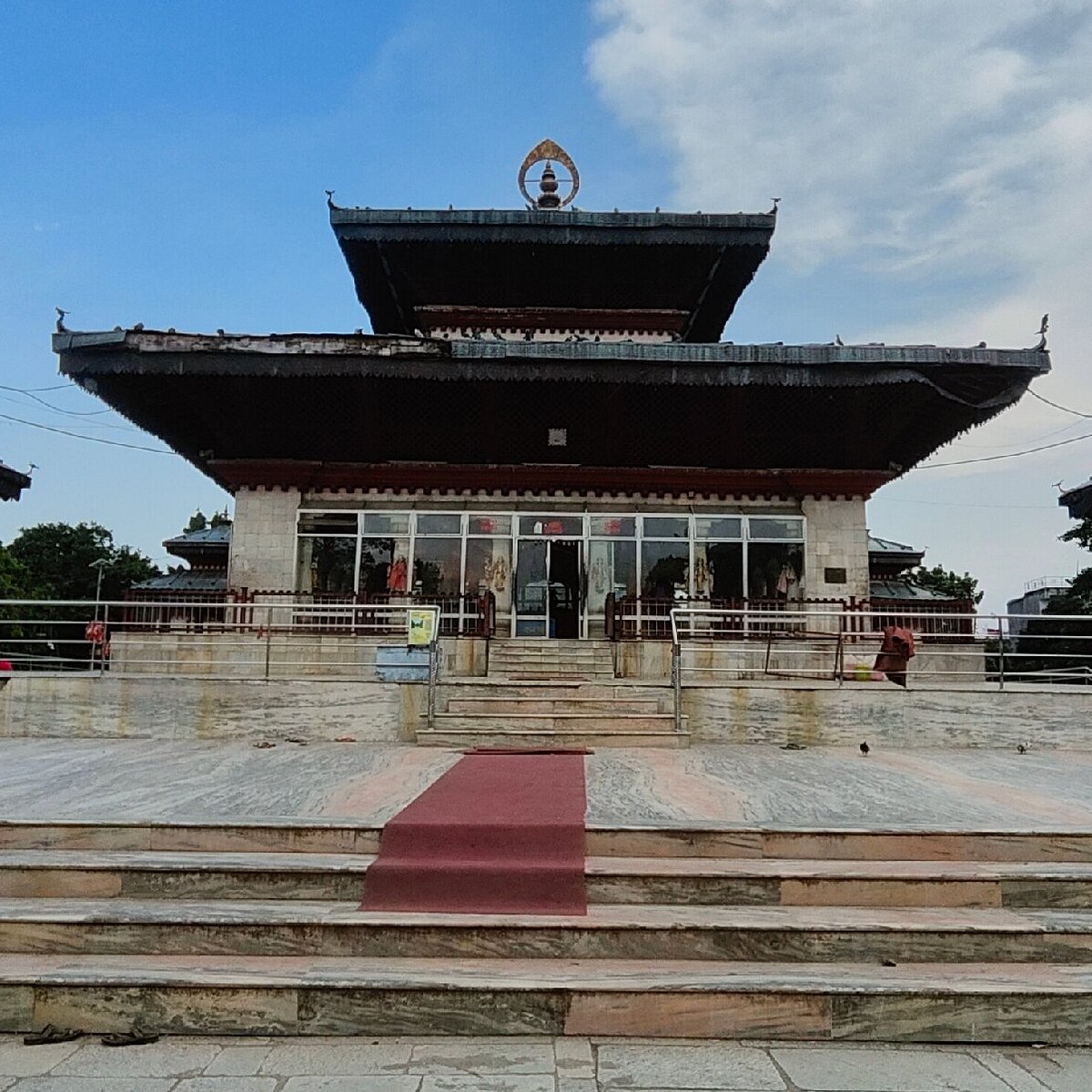
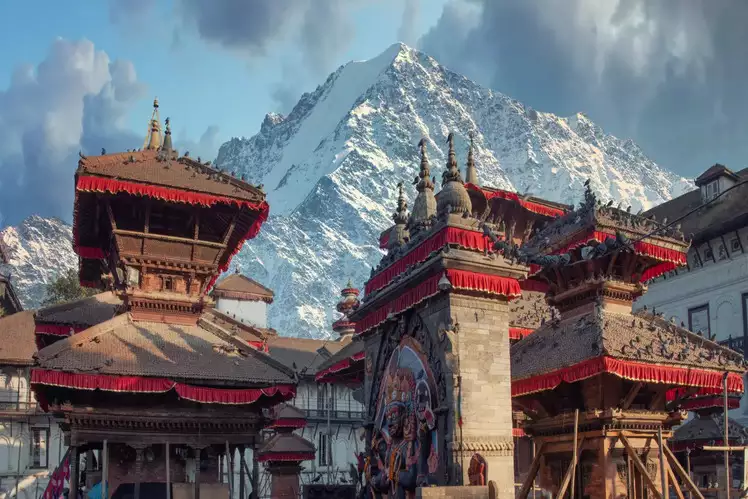
Located on the banks of the Bagmati river in Kathmandu, the Pashupatinath Temple is one of the most sacred Shiva temples in the world — a UNESCO World Heritage Site and one of the sub-Jyotirlingas. The five-storey pagoda-style temple with its golden roof is the presiding deity of Nepal. The sacred complex includes the main temple, 518 smaller temples, the Arya Ghat cremation ghats on the Bagmati, numerous ashrams, and sadhus in traditional orange robes. Only Hindus are allowed inside the main temple. The evening Bagmati Aarti is deeply moving.
Muktinath Temple
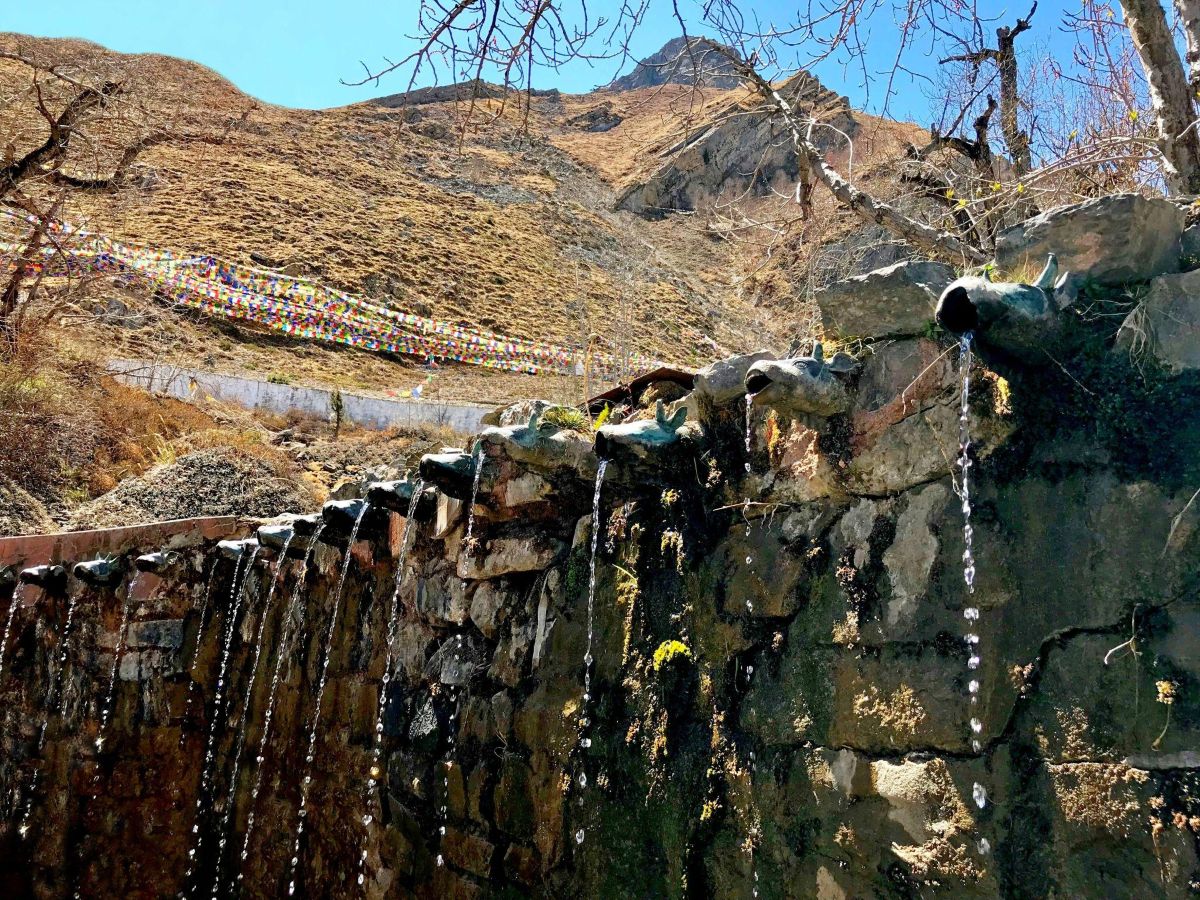
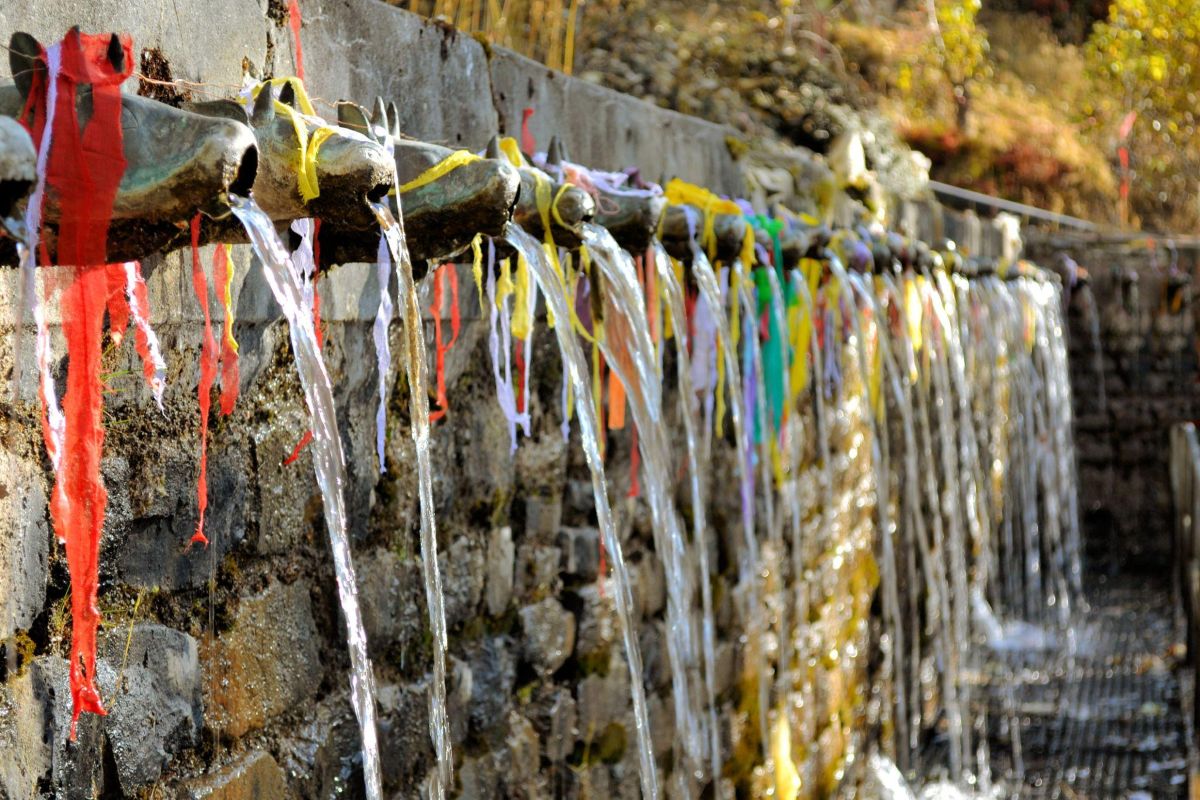
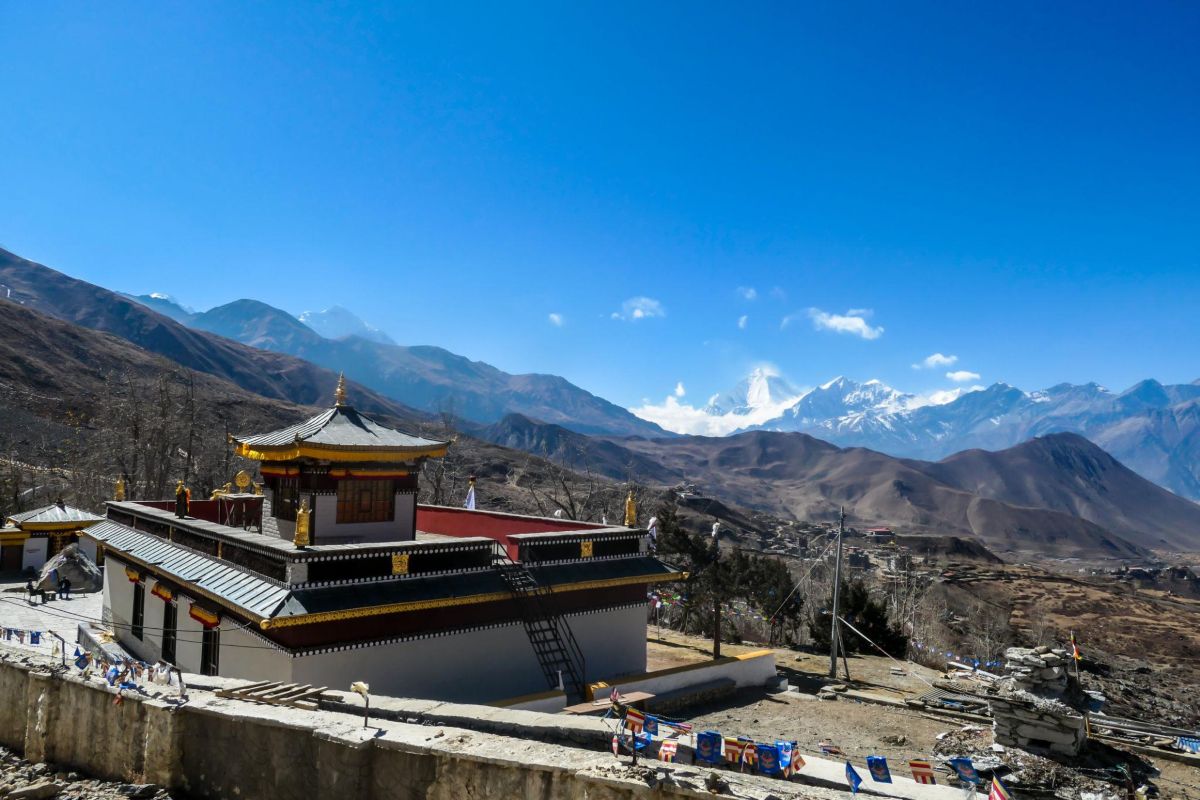
Situated at an elevation of 3,710 metres in the Mustang district of Nepal, Muktinath (also called Mukti Kshetra) is a sacred Vishnu shrine counted among the 108 Divya Desams and 51 Shakti Pithas. It is the only place in the world where all five sacred elements (fire, water, earth, sky, air) are present together. The temple houses the miraculous eternal flame burning in water (natural gas seep). Devotees take a ritual bath in 108 water spouts (dhara) for moksha. The surrounding landscape of the Himalayas and the Jhong valley is otherworldly.
Janakpur — Birthplace of Sita Mata
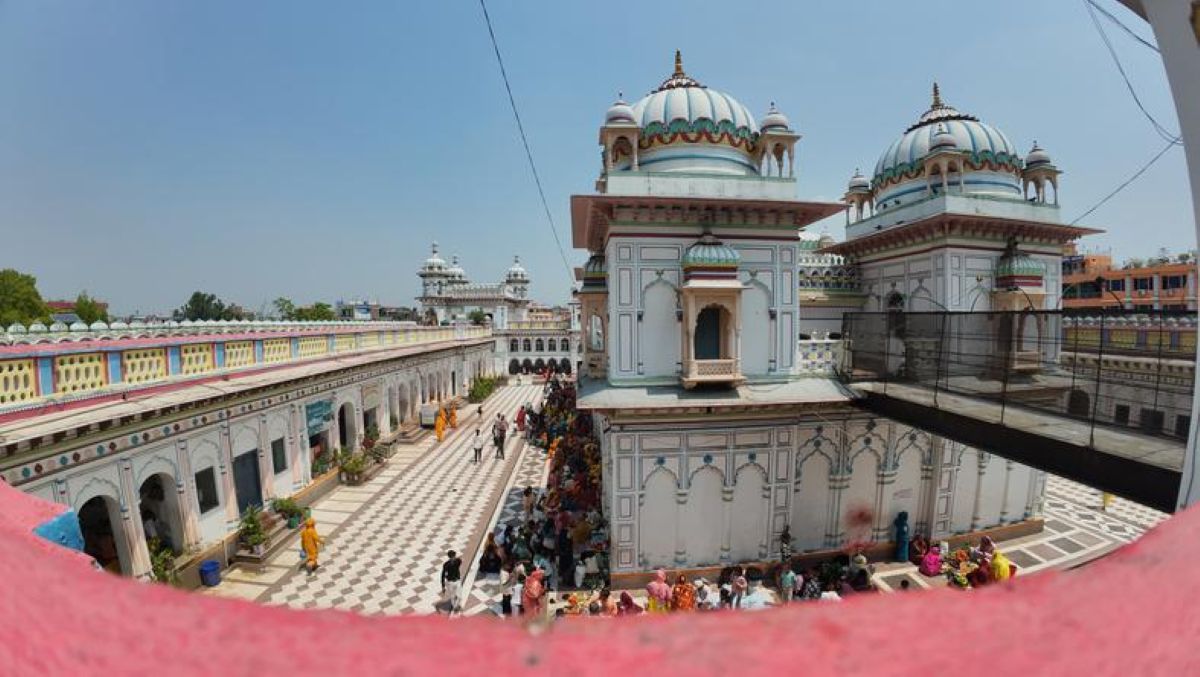
Janakpur, in the Madhesh Province of southern Nepal, is the birthplace of Goddess Sita — daughter of King Janaka — and the site of the divine wedding of Ram and Sita. The magnificent Janaki Mandir (Naulakha Mandir) is a grand temple built in 1911 in Mughal-Rajput style, housing the idol of Sita. The city has a deeply sacred and festive atmosphere, especially during Vivah Panchami (Ram-Sita wedding festival, November/December), which draws hundreds of thousands of devotees from India and Nepal.
Lumbini — Birthplace of the Buddha
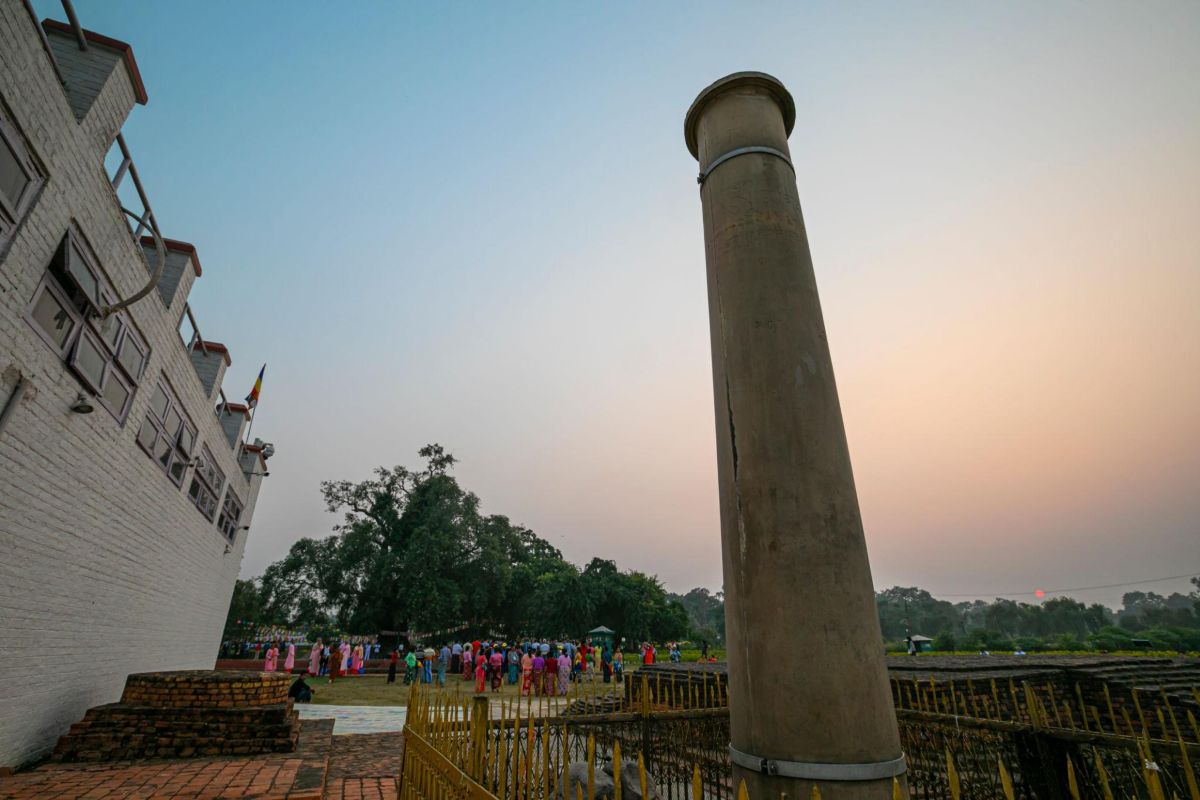
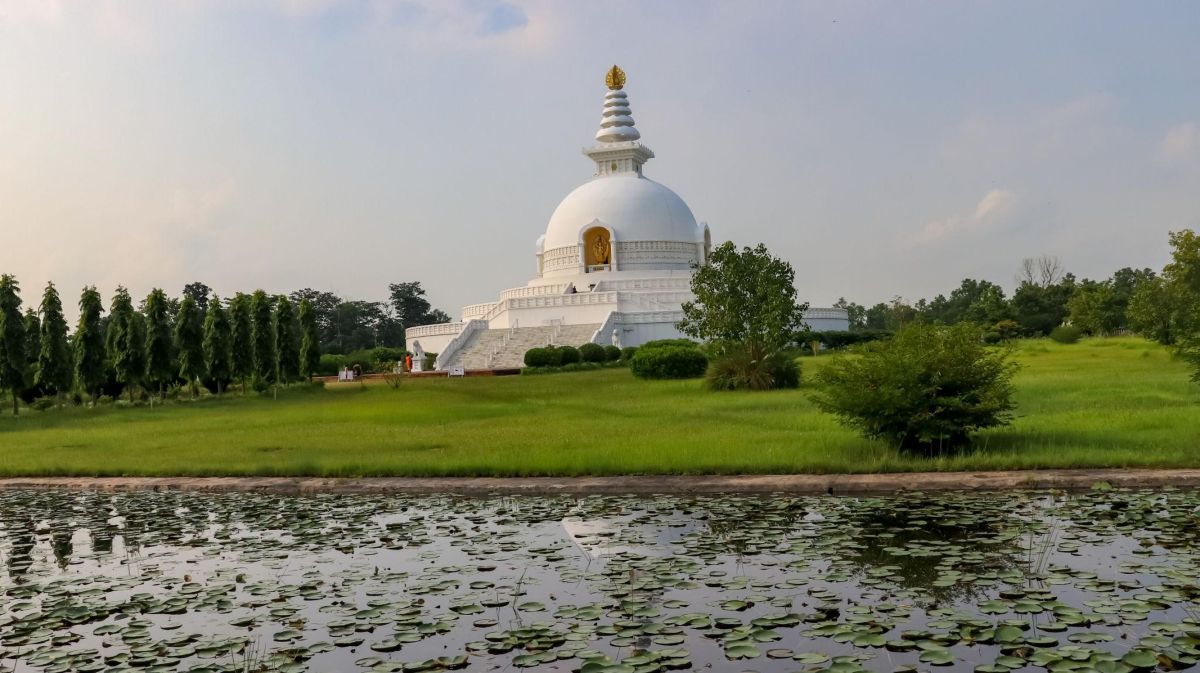
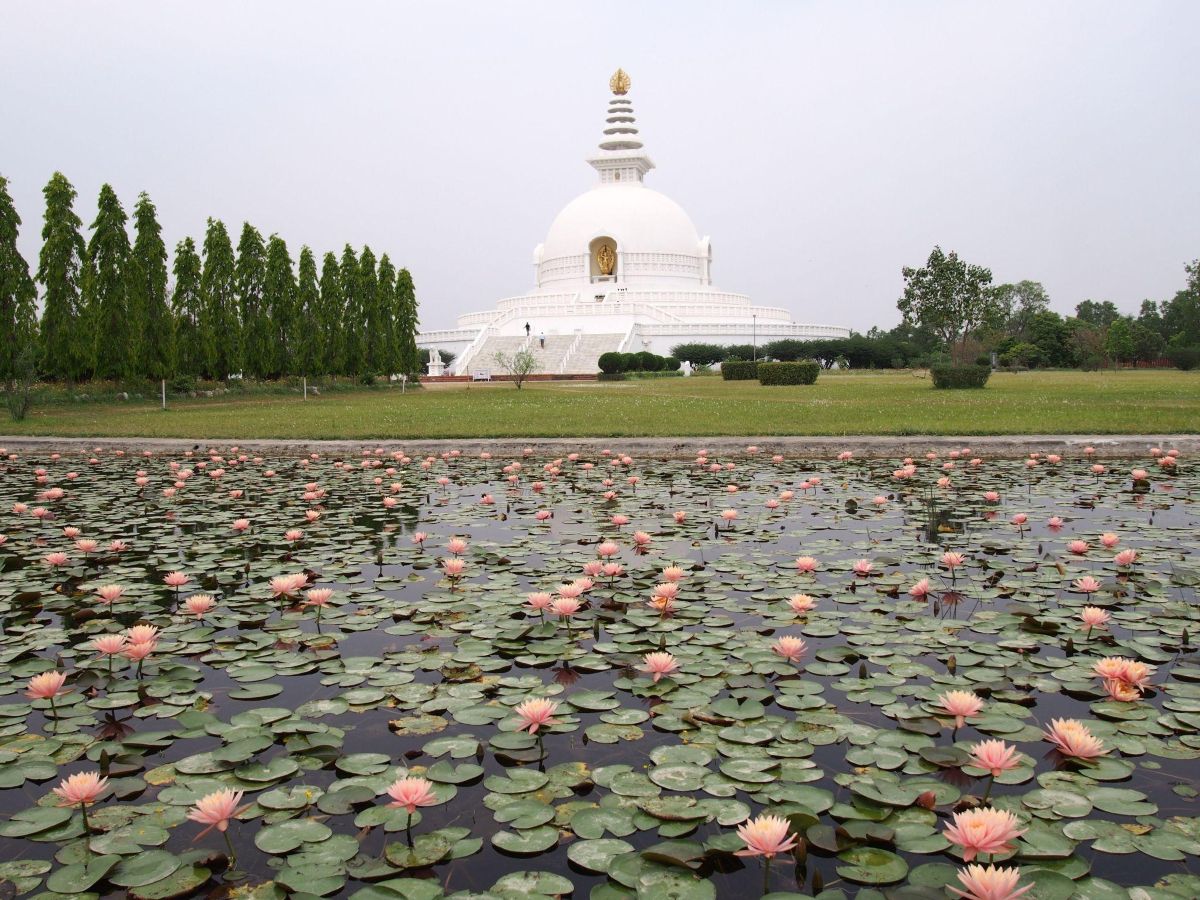
Lumbini in the Rupandehi district of Nepal is the sacred birthplace of Siddhartha Gautama (Lord Buddha), the founder of Buddhism. A UNESCO World Heritage Site, Lumbini houses the Maya Devi Temple marking the exact birthplace, the Ashoka Pillar (249 BCE), the sacred Bodhi tree, and the peaceful Lumbini Garden. It is a place of serene beauty and profound significance for Buddhists and Hindus alike.
Gosainkund & Gosaikunda Trek
Gosaikunda is a sacred glacial lake at 4,380 m in the Langtang National Park, believed to have been created by Shiva's trident. Hundreds of thousands of devotees trek here during Janai Purnima (August) to take a holy dip. Shiva himself is believed to reside in the lake during this festival.
Bagmati & Gandaki Rivers
The Bagmati river is Nepal's Ganga — considered as sacred as the Ganges and used for cremations, pilgrimages, and rituals at Pashupatinath. The Gandaki (Narayani) river flows past Muktinath and is the source of the sacred Shaligram shilas (ammonite fossils considered sacred forms of Vishnu).
Best Time to Visit
October to April for Kathmandu, Janakpur, and Lumbini. Muktinath is best visited May–October (road access closes in winter). Vivah Panchami (November/December, Janakpur) and Janai Purnima (August, Gosaikunda) are the most auspicious pilgrimage dates.
How to Reach
Kathmandu (TIA Airport) has flights from Delhi, Mumbai, Kolkata, Lucknow, and Varanasi. Indian citizens need only a valid photo ID (no passport required) for land border crossings at Sonauli-Bhairahawa (for Lumbini), Raxaul-Birgunj (for Janakpur), and Nautanwa-Sunauji. From Kathmandu, Muktinath is reached by flight to Pokhara → Jomsom + trek/drive, or direct helicopter from Kathmandu.